Spotlight on Chula Vista: San Diego's Underrated Powerhouse
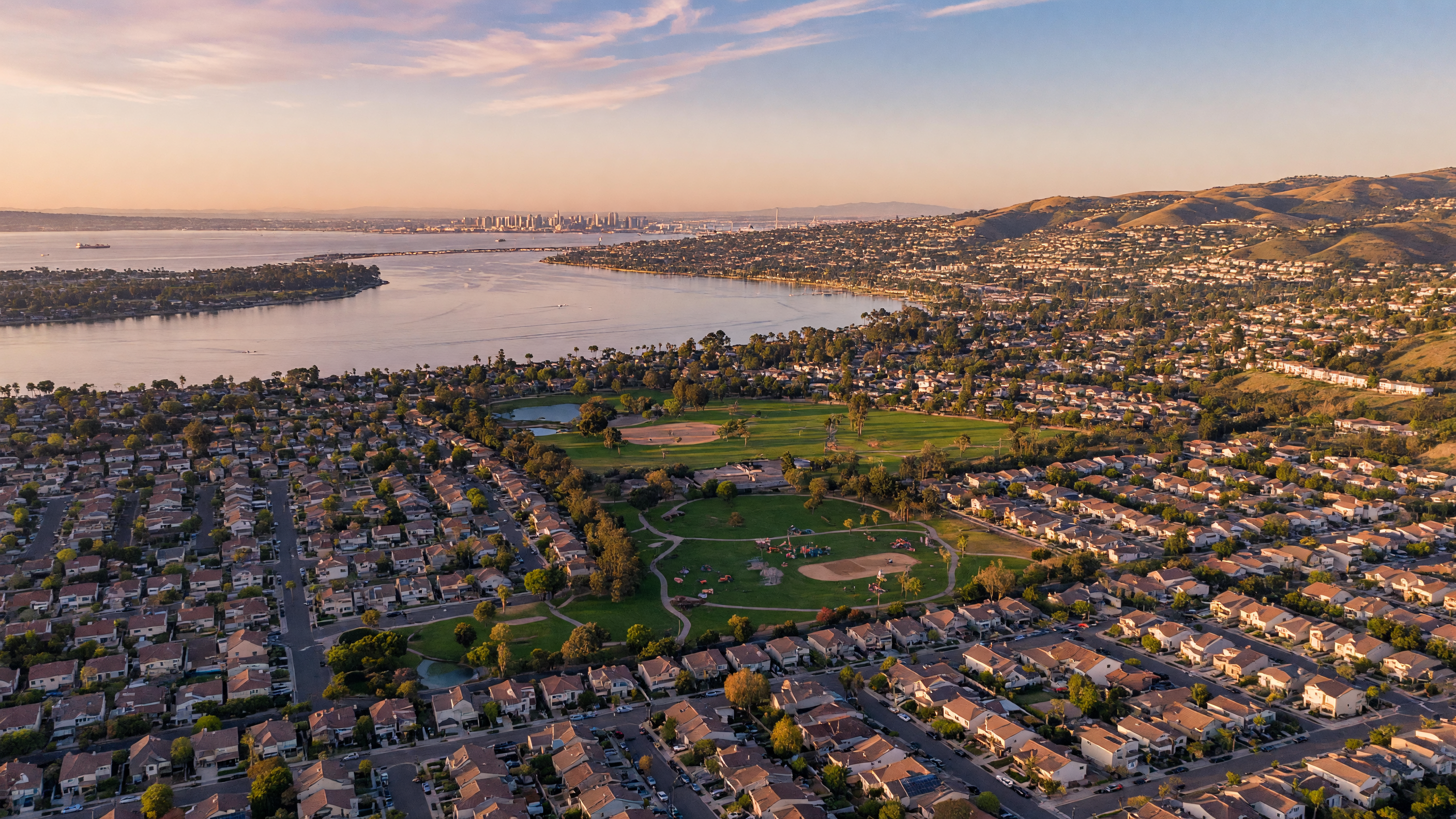
When most people think about buying a home in San Diego, the conversation starts with the coast — La Jolla, Del Mar, Carlsbad. And those are beautiful communities. But if you are looking for a city that combines genuine value, rapid growth, strong schools, and a community that is investing in its own future, it is time to look south.
Chula Vista is San Diego County's second-largest city, home to roughly 275,000 people, and it is in the middle of a transformation that I believe will reshape how the entire region thinks about this community. As an agent with over 10+ years of experience, an active investor, and a military spouse who has watched neighborhoods rise and fall, I look at Chula Vista and see one of the most compelling stories in San Diego real estate right now.
The Numbers: Where Chula Vista Stands in Mid-2026
The median sale price for detached homes in Chula Vista sits at approximately $797,000 to $800,000 as of mid-2026, representing a modest year-over-year adjustment. That number matters because it places Chula Vista significantly below the county-wide median of roughly $925,000 to $950,000 — while still offering access to the same employment centers, military installations, beaches, and lifestyle that make San Diego one of the most desirable markets in the country.
Homes in Chula Vista are selling in approximately 24 days on market, which tells me buyer demand is healthy. This is not a stagnant market. Homes that are priced well and show well are moving. The difference between Chula Vista and coastal markets is not demand — it is accessibility. At $800,000, a buyer can find a modern, four-bedroom home with a two-car garage, a yard, and proximity to top-rated schools. Try finding that in Del Mar or Carlsbad.
What's important to you? If you are a growing family trying to get into the San Diego market without overextending, or an investor looking for strong fundamentals at a lower entry point, Chula Vista deserves a serious look.
A City of Distinct Neighborhoods
One of the things I love about Chula Vista is that it is not one neighborhood — it is a collection of communities, each with its own character, price point, and appeal. Here is what you need to know about the major areas:
Eastlake & Otay Ranch
These master-planned communities in eastern Chula Vista are where much of the city's growth is concentrated. Eastlake offers tree-lined streets, community pools and parks, and a suburban feel that appeals to families and military households. Otay Ranch is newer still, with modern construction, walking trails, and the Otay Ranch Town Center, which has become a genuine gathering place for shopping, dining, and community events.
Home prices in these areas typically range from $700,000 to $900,000, depending on the community phase, lot size, and condition. New construction is still active here — the city recently approved a 270-unit affordable housing project at Otay Ranch, backed by an $80 million bond issuance. That kind of investment signals confidence in the area's long-term trajectory, and as an investor, I pay attention to where public dollars flow.
Rolling Hills Ranch
A slightly more established community with larger lots and a quieter feel, Rolling Hills Ranch appeals to buyers who want the master-planned infrastructure without the density of newer phases. Homes here tend to hold their value well, and the neighborhood benefits from strong HOA-maintained common areas and parks.
Bonita
On the western edge of Chula Vista, Bonita is a semi-rural community with a completely different personality. Larger lots, equestrian properties, and a quieter, more spread-out feel make it attractive to buyers who want space without leaving the county. Bonita is also home to Sweetwater County Park and the Sweetwater River trail system, which offers miles of walking and biking paths. Median prices in Bonita tend to be slightly lower than eastern Chula Vista, and the area has a loyal following among buyers who value privacy and land.
Third Avenue Village & Downtown Chula Vista
The historic heart of the city is Third Avenue Village, a walkable downtown corridor that the city has been actively reinvesting in. New shops, restaurants, and community events are breathing life into this area, and the surrounding neighborhoods offer older, more affordable housing stock that appeals to first-time buyers and investors looking for value-add opportunities.
The Bayfront: A Transformation in Progress
If you have not been paying attention to the Chula Vista Bayfront, now is the time. This is one of the largest waterfront redevelopment projects in Southern California, and it is actively unfolding.
The Gaylord Pacific Resort & Convention Center is under construction, and the city broke ground on the Harbor Park improvements in March 2026 — a $15 million project that will expand public waterfront access along the bay. Behind the scenes, developer Pangaea is working on the Amara Bay residential component and a proposed $2.2 billion district that would include hotels, retail, office space, and additional residential units along the waterfront.
As someone with a background in commercial contracting, I watch projects like this closely — not just for the headlines, but for what they mean to surrounding property values. A bayfront redevelopment of this scale does three things for Chula Vista homeowners and investors: it creates jobs, it increases the city's tax base, and it fundamentally changes how the market perceives the area. When a $2.2 billion district is planned for your city's waterfront, the ripple effects on nearby neighborhoods are real and measurable.
For buyers considering Chula Vista right now, the Bayfront project is a timing signal. Properties in the western parts of the city — particularly near the bay and along the corridor connecting to the development zone — stand to benefit from the infrastructure and visibility improvements as the project moves forward.
Schools: A Real Draw for Families
Chula Vista's public school system is one of the most underappreciated assets in the San Diego region. The Chula Vista Elementary School District maintains an overall performance ranking in the top 30% of California public schools, and several high schools consistently rank among the best in the county:
- Eastlake High School — one of the highest-performing comprehensive high schools in San Diego County, with strong academics, athletics, and college readiness metrics.
- Olympian High School — known for its STEM programs and consistent academic achievement.
- Otay Ranch Senior High School — a newer campus with modern facilities and growing enrollment.
For military families, this is particularly significant. A PCS move is stressful enough without worrying about whether the schools will meet your family's needs. Chula Vista's school options give military parents real confidence in the transition, and the neighborhoods surrounding these schools offer homes at price points that make VA loan financing especially effective. Explore more on our Military & Veterans page for how VA loans can work in communities like these.
The Military Connection: Proximity to the Border and Beyond
Chula Vista sits just minutes from Naval Outlying Landing Field Imperial Beach and is within a reasonable commute of Naval Base San Diego, one of the primary homeports of the U.S. Pacific Fleet. For Navy families, the commute from Chula Vista to the downtown naval facilities is typically 20 to 30 minutes, depending on the neighborhood and time of day.
As a military spouse, I understand that the logistics of a PCS move go far beyond the commute. It is about finding a home that works for your family, in a community that supports you, at a price point that makes sense. Chula Vista consistently delivers on all three. The combination of modern housing stock, strong schools, community amenities, and proximity to military installations makes it one of the most practical choices for service members relocating to San Diego.
Lifestyle: More Than You Expect
Chula Vista is not just a bedroom community. The city has invested heavily in quality of life, and it shows:
- Otay Ranch Town Center offers a walkable mix of restaurants, retail, and community events, including seasonal festivals and outdoor movie nights.
- The Bayfront — once fully realized — will provide waterfront dining, parks, and public access to the San Diego Bay, something no other South Bay community currently offers at this scale.
- Bonus, regional parks, and trail systems — from the Otay Valley Regional Park to the Chula Vista Elite Athlete Training Center (an official U.S. Olympic training facility), the city has built recreational infrastructure that punches well above its weight.
- Dining and culture — the South Bay has a rich, diverse food scene, from the Mexican and Vietnamese restaurants along Third Avenue to newer establishments in the Otay Ranch area. Chula Vista's cultural diversity is one of its greatest assets, and it is reflected in the food, the festivals, and the community fabric.
The Investor Perspective: Why Chula Vista Merits a Closer Look
From an investment standpoint, Chula Vista offers something increasingly rare in San Diego: strong fundamentals at an accessible price point. The combination of population growth, public infrastructure investment, proximity to military installations, and the Bayfront redevelopment creates a market with multiple catalysts for long-term appreciation.
For buy-and-hold investors, the rental market in Chula Vista remains solid. While county-wide rents have cooled slightly, Chula Vista's proximity to military bases and employment centers maintains consistent tenant demand. The key, as always, is underwriting the deal on today's numbers. Cap rates in Chula Vista typically range from 4.5% to 5.5% for single-family rentals, which is competitive for a coastal California market.
For investors evaluating value-add opportunities, the older neighborhoods near Third Avenue and western Chula Vista offer properties that can be improved and repositioned. The city's reinvestment in downtown, combined with the Bayfront project, creates a value narrative that did not exist five years ago. If you are thinking about adding a South Bay property to your portfolio, explore our Investment Properties page for how I approach deal analysis.
What's Important to You?
Every client I work with has a different definition of the right home. For some, it is a modern four-bedroom in Eastlake with a yard and access to top-rated schools. For others, it is a property near the Bayfront with long-term appreciation potential. And for military families, it is a community that makes the PCS transition as smooth as possible — good schools, a reasonable commute, and a neighborhood that feels like home from day one.
Chula Vista is not the city it was ten years ago, and it will not be the same city five years from now. The investments being made today — in the Bayfront, in schools, in infrastructure, and in community — are building something real. Whether you are a first-time buyer priced out of coastal markets, a growing family looking for space and value, a military household navigating a move, or an investor seeking strong fundamentals at a lower entry point, Chula Vista deserves your attention.
If you are exploring the South Bay, our Buying Guide walks you through the full process from pre-approval to closing day. If you already own a home in Chula Vista and are wondering what it is worth in today's market, our Selling Guide is a great place to start.
Where are you headed next? Let's talk about whether Chula Vista fits your goals. No pressure, no assumptions — just honest data and a strategy built around what matters to you.
In service,
Hanna

Hanna Bederson
Real Estate Agent, Investor & Military Spouse · San Diego · DRE #02096870
Exploring Chula Vista for your next home or investment?
Schedule a Conversation