
El Niño Is Coming: Top Tips to Protect Your San Diego Home This Rainy Season
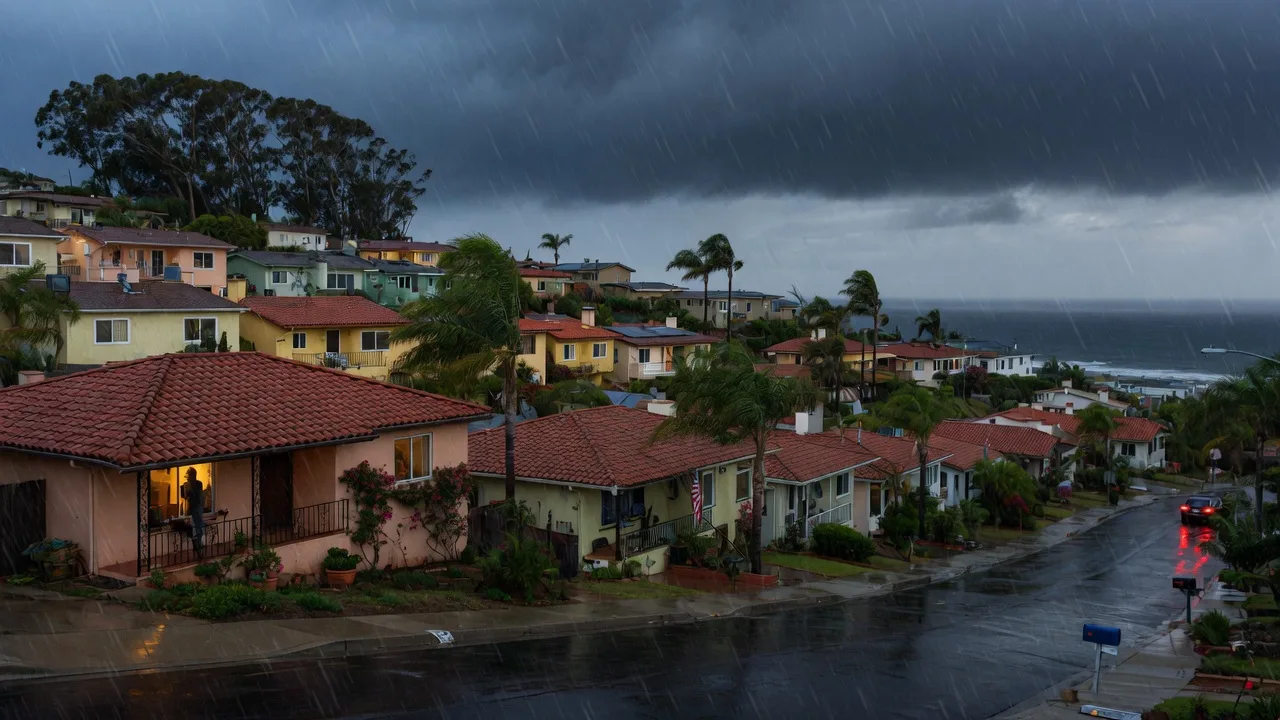
El Niño is here, and this one is shaping up to be one for the record books. Forecasters are calling it a "super El Niño," with some models projecting it could be the strongest in modern records, and the City of San Diego has already declared a local state of emergency in preparation. Heavier rainfall, stronger winds, coastal flooding, and mudslide risk are all on the table from late 2026 into early 2027. The good news: there's still time to get your home ready. Here are the top things San Diego homeowners can do to protect their property before the heaviest rain arrives.
I have spent 18+ years in San Diego real estate, and I have watched how differently this city handles a strong winter depending on who did their homework in October. The same hillside communities that feel dry and sleepy right now, from La Mesa to Encinitas, and the low-lying areas near Mission Valley and the river channels, are the places where prep work matters most. The homeowners who come through these winters best are rarely the lucky ones. They are the prepared ones. This is the checklist I share with them.
Why This Winter Is Different
This isn't just another rainy season. NOAA puts the odds of this El Niño becoming the strongest in its modern record at around 69 percent, and the vast majority of seasonal forecast models point to a well-above-average, possibly record-wet winter for California. Peak intensity is expected around November through December, with impacts lingering into early spring.
For San Diego, that historically means periods of intense rain, stronger winds, saturated hillsides, and even king tides and elevated sea levels along the coast, with projections of 6 to 13 inches higher than usual. Preparation now is what separates a small inconvenience from a costly repair. A few numbers worth knowing as you plan:
- Storm timing. Peak intensity is expected November through December, so the next few weeks are your window to act.
- Coastal exposure. King tides and elevated sea levels can push water further inland than usual, especially around high tide.
- Hillside risk. Saturated ground is the trigger for mudslides and slope erosion across the county's canyon communities.
Clear Your Gutters and Downspouts
This is the single most impactful, lowest-cost task on the list, and the one I hear homeowners skip most often. Clogged gutters send water spilling over the roofline, soaking fascia and siding and pooling against the foundation, exactly where you don't want it. A few things to do:
- Clean gutters and downspouts at least twice before the wet season peaks.
- Make sure downspouts extend several feet away from the foundation so water drains away from the house rather than into it.
- Check gutter guards and leaf screens if you have them. They help, but they still need a clearing now and then.
- If your home is two stories and the job feels unsafe, this is the rare task worth hiring out. It costs a fraction of what a soaked foundation repair does.
Have Your Roof Checked
San Diego winters can expose small roofing issues that go unnoticed in the dry months. If you can, have a roof inspection before the storms hit, or do a careful visual check from the ground: loose or missing shingles, cracked flashing around chimneys and skylights, and gaps around vents are the usual culprits. Catching a small leak before the rain starts is far cheaper than dealing with interior water damage in December.
- Walk the perimeter and look for lifted, curled, or missing shingles and tiles.
- Inspect the flashing around chimneys, skylights, and roof vents.
- Go inside and check ceilings and the attic for water stains. A small stain today can become a much bigger repair by February.
Inspect Your Drainage and Grading
Walk your property and look at how water flows when it rains. The ground should always slope away from your foundation, never toward it. Keep window wells clear, check that yard drains and French drains aren't blocked, and consider a simple rain chain or rain barrel at a downspout to give water somewhere to go. If water currently pools near your foundation, that's the thing to address before the ground saturates and the problem gets harder to fix.
Seal and Secure
Caulk around windows and doors where water or drafts could sneak in, check weatherstripping, and seal cracks in driveways, walkways, and foundation walls. Storms also bring wind, so trim back trees and large shrubs that overhang the roof, secure outdoor furniture and loose yard items, and make sure gates and fencing are anchored. It takes an afternoon, and it protects the house through months of weather.
Get Sandbags and Know Your Flood Risk
In low-lying and hillside areas, flooding and mudflow are real risks during heavy El Niño events. The City of San Diego and surrounding jurisdictions offer sandbag locations before big storms, so find out where yours is now and know your neighborhood's flood pattern. If you're on a hillside, pay extra attention to erosion and drainage along slopes, and check on retaining walls while the ground is still dry. Waiting until the storm is in the forecast is how the good locations run out.
Prep Your Utilities and an Emergency Kit
Heavy rain often brings power outages. Have flashlights and batteries, a phone power bank, and a few days of water and non-perishable food ready. If you have a sump pump, test it before you need it. If you have gas or electric heating, make sure it's serviced. And take a quick video walkthrough of your home and belongings now, so you have documentation in case you ever need it. Ten minutes with your phone today is worth a lot in February.
Check Your Insurance
Standard homeowners policies don't always cover flood damage, and flood insurance has a waiting period before it takes effect, often 30 days. If you're in a flood-prone area, now is the time to ask your agent about flood coverage, not in February. Knowing exactly what your policy covers, and what it doesn't, is one of the most protective steps a homeowner can take, and it is the one that costs nothing until you need it.
A Little Preparation Goes a Long Way
Rainy seasons come and go, but a winter like this one is worth taking seriously. A little preparation over the next few weeks can save you a lot of stress, and money, when the storms arrive. If you have questions about your home, your neighborhood's flood risk, or anything real estate related as we head into the wet season, reach out anytime at (619) 630-9618 or through the contact page. Stay dry out there, San Diego.

Hanna Bederson
Real Estate Agent, Investor & San Diego Homeowner · DRE #02096870
Questions about your home or your neighborhood's flood risk this winter?
Let's TalkOr call or text (619) 630-9618.