Estate Planning for Homeowners: Why You Need a Trust in California

Estate planning is one of those topics that sounds like it belongs to the ultra-wealthy, or to people much older than you. But the truth is broader than that: whether you own a home, run a business, hold rental properties, or are simply planning for your own future, you already have a reason to plan. A will, an advance directive, and a power of attorney are not luxuries. They are essential tools for protecting yourself and the people you love, no matter your situation. And if you live in California, where the probate process can be lengthy and expensive, having the right documents in place is one of the smartest things you can do for the people you will leave behind.
I have walked through this with clients who were buying their first home, selling after a divorce, navigating the loss of a loved one, or building a business. Again and again, I have seen how much easier the process is when someone has taken the time to get their affairs in order, regardless of whether their biggest asset is a house or a business. This is not about preparing for the worst. It is about making sure your wishes are honored and your family is protected, no matter what comes next.
Why Estate Planning Matters for Everyone
The biggest misconception about estate planning is that it is only for the wealthy or only for homeowners. In reality, your estate is simply everything you own: your home, your business, your rental properties, your retirement accounts, your personal belongings. If you have any of those things, you have an estate. And if you have people you care about, you have a reason to plan.
For business owners, a lack of planning can mean your company is tied up in probate for months, leaving employees, partners, and clients in limbo. For rental property investors, your income-producing assets could be frozen while the court sorts out who inherits them. And for anyone who simply wants to ensure a secure future, having a will and advance directive in place means your medical and financial decisions stay in the hands of people you trust, not the courts.
As you get older, these documents become even more important. A power of attorney ensures someone you trust can manage your finances if you become unable to do so yourself. An advance directive ensures your healthcare wishes are followed. Without them, your family may face costly, public court proceedings at exactly the time they are already under the most stress.
Without a plan, California law decides who gets your assets. The state appoints a guardian for your minor children. The courts oversee the distribution of your property through a process called probate, which can take months or years and cost thousands of dollars in legal fees. Your family has no say in the matter, and the process is public record.
With a plan, you stay in control. You decide who gets what, who takes care of your children, and who makes decisions on your behalf if you cannot. Your family does not have to guess, and they do not have to navigate the courts during an already difficult time.
The Four Essential Documents Everyone Should Have
A complete estate plan is built on four core documents. Each one serves a different purpose, and taken together, they cover your assets, your health, and your family's wellbeing.
1. Will
Your will is the foundation of your estate plan. It specifies how your assets will be distributed after your death, names guardians for your minor children, and ensures that your wishes are followed. Without a will, California's intestacy laws decide who inherits your property, and a judge decides who raises your children. A will is your chance to make those choices yourself.
One important note: a will still goes through probate. That means it becomes a public record, and the court oversees the distribution of your assets. For that reason, a will alone is often not enough, especially if you own real estate.
2. Trust
This is the document that matters most to homeowners. A trust allows you to transfer ownership of your property to a legal entity that you control during your lifetime. When you pass away, your successor trustee can transfer the property to your beneficiaries without going through probate.
In California, where probate can take 9 to 18 months and cost 4% to 7% of the estate value, a trust is not just a luxury. It is a practical move for anyone who owns real estate. A trust keeps your property transfers private. It saves your heirs significant time and money. And it gives you control over how and when your assets are distributed.
If you own a home in San Diego, you should have a trust. It is one of the most important steps you can take to protect your family's inheritance.
3. Power of Attorney
A power of attorney designates someone you trust to make financial decisions on your behalf if you become unable to make them yourself. This covers everything from paying bills and managing bank accounts to handling property transactions and filing taxes.
Without a power of attorney, your family would need to go to court to get authority over your finances. That process is expensive, time-consuming, and public. A simple document signed in advance avoids all of it.
4. Advanced Directive (Living Will)
An advanced directive outlines your healthcare wishes if you cannot communicate them yourself. It covers end-of-life care, medical treatments you do or do not want, and who you authorize to make healthcare decisions on your behalf.
This is the document that takes the burden off your family during a crisis. Instead of guessing what you would want, they can follow your instructions. Instead of making agonizing decisions under pressure, they can focus on being your family.
Having These Conversations with Your Loved Ones
I know these conversations are uncomfortable. I have had them myself, and I have helped clients begin them. The hardest part is starting.
Here is what I tell my clients: your family needs to know where your documents are stored and who to contact when the time comes. Make sure everyone named in your documents knows their role. A successor trustee should know they have been named as trustee. A healthcare agent should know they have that responsibility. And your family should know where to find the originals.
Review and update your documents after major life events: marriage, divorce, the birth of a child, the purchase of a new home, or the death of a named beneficiary. An estate plan is not a set-it-and-forget-it document. It should grow and change with your life.
The goal is not to have a perfect plan the first time. The goal is to have a plan at all, and to keep it current.
Getting Started with the Basics
If you do not have any estate documents yet, the most important step is to begin. For simple and easy-to-use forms to get started, visit Mama Bear Legal Forms to create your will. Having a basic will in place gives you immediate protection while you work toward a more comprehensive plan.
Ready for a Comprehensive Plan?
When you are ready for more detailed planning, we have trust attorneys on standby to help. Whether you are buying your first home, expanding your portfolio, or simply want to make sure your family is protected, contact Hanna to get connected.
Call or text 619-630-9618 or visit the contact page to schedule a consultation.
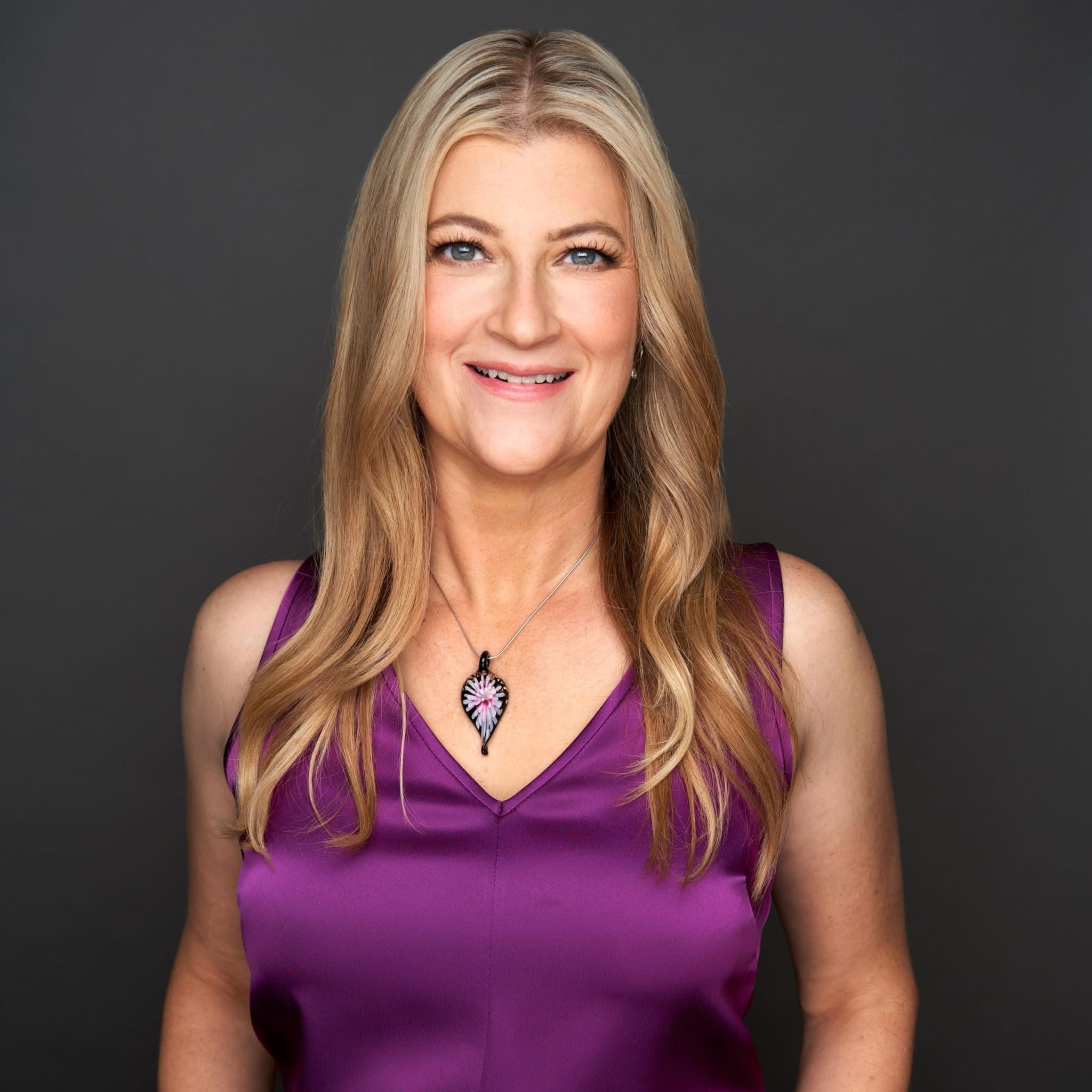
Hanna Bederson
Real Estate Agent, Investor & Military Spouse · San Diego
Protect your home and your family.
When you're ready for more detailed planning, we have trust attorneys on standby to help. Whether you're buying your first home, expanding your portfolio, or simply want to make sure your family is protected, contact Hanna to get connected.
License #02096870 · 619-630-9618