What to Do When You Inherit a Home: Renovate, Sell, or Rent
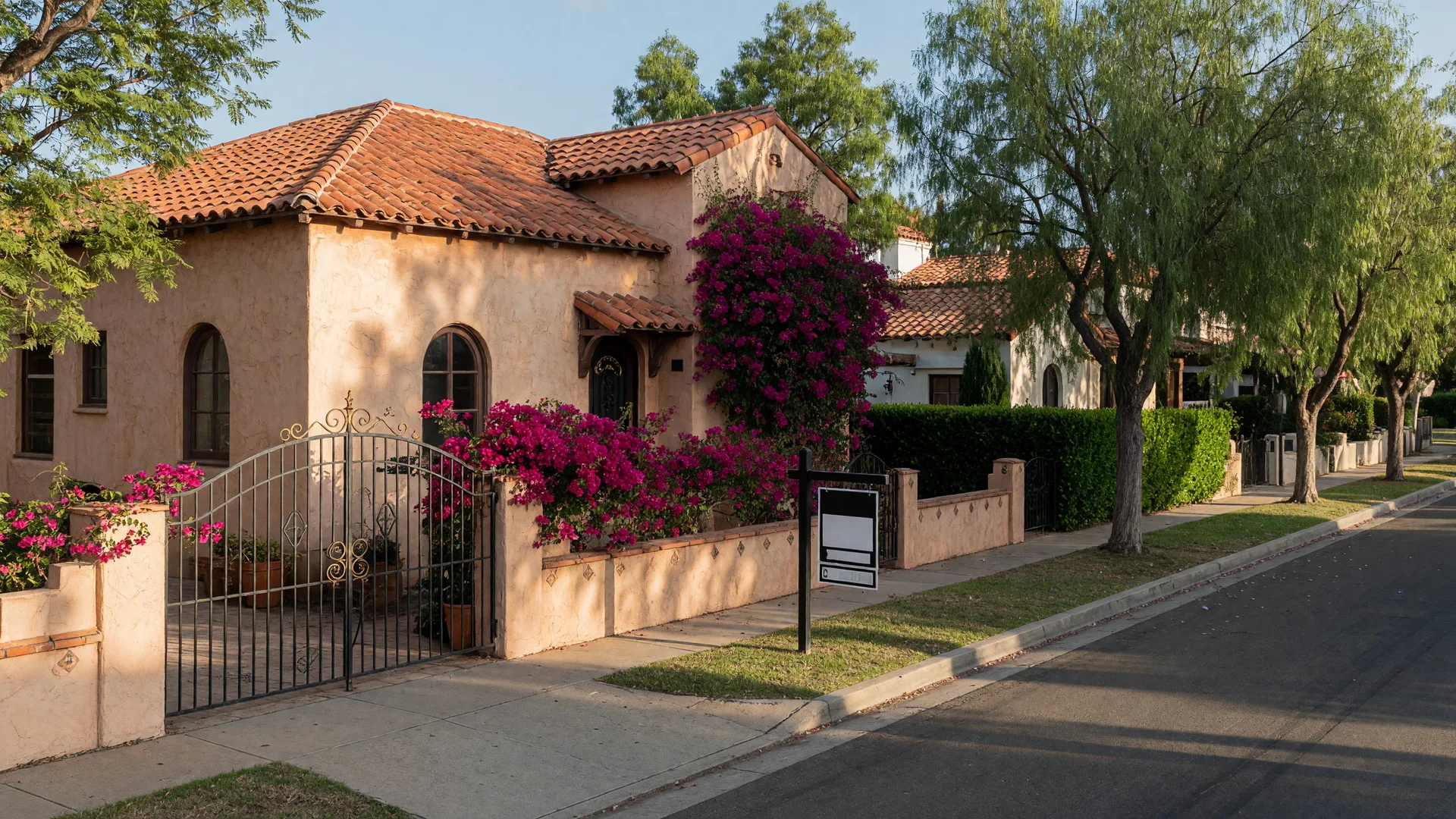
Inheriting a home is one of life's most emotional and complex experiences. Beyond the grief of losing someone you love, there are practical decisions to make — and those decisions can feel overwhelming when you are still processing everything else. What do you do with the property? You generally have three options: renovate and keep it, sell it, or rent it out. Each path comes with its own benefits, costs, and considerations. The right choice depends on your financial situation, your timeline, your connection to the home, and your long-term goals.
I have helped families navigate this decision many times. Whether you are local to San Diego or managing the property from out of state, I can tell you this: the most important thing is to slow down, get the facts, and make a decision based on what is best for your future, not what feels most urgent in the moment. Here is a breakdown of each option to help you start thinking through it.
Option 1: Renovate and Keep the Home
If the home has sentimental value, is in a desirable San Diego neighborhood, or would serve your family's needs well, renovating could be the right move. Keeping the property means preserving a piece of your family's history while making it work for your own life. But renovation is not a simple process. It requires careful planning, realistic budgets, and strong project management — especially if the home has been lived in for decades without significant updates.
Renovation Considerations
Assess the property's current condition. Before you do anything, you need to understand what you are working with. Walk through the home room by room and identify what needs to be updated. Separate cosmetic issues (paint, flooring, fixtures) from structural ones (foundation, roof, electrical, plumbing). A home inspection is money well spent at this stage, especially if you are not familiar with the property's maintenance history.
Set a realistic budget with a contingency. Every renovation runs into surprises. Add 15 to 20 percent to your initial budget for unexpected costs. In older San Diego homes — especially those built before 1980 — you may encounter outdated wiring, galvanized plumbing, asbestos, or lead paint. Those surprises are expensive, but they are far less stressful when you have built a contingency into your budget from the start.
Understand the scope of work. Is this a cosmetic refresh or a full gut renovation? A cosmetic refresh — new paint, updated fixtures, refinished floors, new landscaping — can transform a home without requiring permits or major disruption. A full renovation involving structural changes, kitchen and bathroom remodels, or system replacements is a larger undertaking that will require permits, inspections, and a longer timeline.
Timeline matters. Renovations almost always take longer than people expect. A kitchen remodel that should take six weeks can easily stretch to twelve when materials are back-ordered or subcontractors run behind. Plan for delays, and do not put yourself in a position where you need the home ready by a hard deadline.
Picking a Local Contractor
If you decide to renovate, the contractor you choose will make or break the experience. Here is how to find someone you can trust.
Get at least two to three bids. Do not just go with the cheapest option. Compare scope, timelines, references, and communication style. The lowest bid often means corners will be cut somewhere, and the highest bid does not always mean the best work.
Check licenses and insurance. In California, contractors must be licensed by the California Contractors State License Board (CSLB) for any job over $500. Verify their license number, check for complaints, and make sure they carry general liability and workers compensation insurance.
Ask for references and actually call them. Past clients will tell you the truth about a contractor's reliability, communication, and quality. Ask about timelines, budget adherence, and whether they would hire the contractor again.
Look at their work. Ask for photos of completed projects or, if possible, visit homes they have finished. Seeing the quality firsthand tells you more than any estimate.
A local contractor who knows the San Diego market, permitting process, and neighborhood expectations is invaluable. Permitting requirements vary by city — San Diego, Chula Vista, La Mesa, and other municipalities all have their own codes and timelines. A contractor who works regularly in your area will navigate those processes far more smoothly than someone from out of town.
The Biggest Factor: Project Management
Renovations fail most often because of poor communication and lack of oversight. Someone needs to be managing the project — coordinating subcontractors, tracking the budget, enforcing timelines, and handling change orders. If you live out of state or do not have construction experience, this is where things can go sideways fast.
A local real estate agent can be a valuable resource here. Agents work with contractors every day. They see the results of their work, hear from their clients about who shows up on time and who does not, and know which contractors are reliable and which ones are not. A contractor referral from a trusted agent carries real weight because it comes from repeated firsthand experience.
An agent can also help you understand what renovations add value to the home and which ones are over-improvements for the neighborhood. It is easy to spend $100,000 on a kitchen and bath remodel that adds only $60,000 to the home's value. An experienced local agent can guide you on scope and budget based on what the market actually supports.
Option 2: Sell the Home
If you do not want the hassle of renovation or the responsibility of managing a rental property, selling might be the simplest path. An inherited home can be sold as-is. You do not have to renovate first, and you do not have to make it perfect. Buyers understand that inherited homes often need work, and there is a strong market for fixer-uppers in San Diego, especially in desirable neighborhoods.
A local agent can help you understand the property's current market value and what it could be worth after renovations. Sometimes the numbers tell a clear story: the cost of renovating exceeds the gain in value, and selling as-is is the smarter financial move. Other times, a targeted renovation — even just paint, flooring, and staging — can yield a substantial return on a modest investment.
Estate sales come with specific legal and financial considerations. Probate, title transfer, and capital gains taxes on inherited property all need to be addressed. California's probate process can take months, and the rules around inherited property tax basis (a step-up in basis) mean capital gains taxes are often far less than people expect. Working with an agent experienced in estate transactions and a real estate attorney who understands probate will save you time, money, and frustration.
Option 3: Rent the Home
If the home is in reasonably good condition or you are willing to do light renovations, renting provides ongoing income. San Diego's rental market is strong. Inherited homes in desirable areas — neighborhoods like North Park, Kensington, Mission Valley, or coastal communities — can command premium rents that help offset the mortgage, cover property taxes, and generate positive cash flow.
Consider whether you want to self-manage or hire a property manager. Self-managing saves money but requires time and attention: handling tenant inquiries, coordinating repairs, collecting rent, and navigating California's landlord-tenant laws. A good property manager takes 8 to 10 percent of the monthly rent but handles the day-to-day work, which matters especially if you live out of the area.
Factor in maintenance costs, vacancy periods, and landlord responsibilities. Even a well-maintained home will have ongoing costs: HVAC servicing, landscaping, plumbing issues, appliance replacements. Plan for at least one month of vacancy per year and set aside a reserve for major repairs. Rental income is not passive income unless you have the right systems and team in place.
Option 4: Keep the Home and Build Legacy
Sometimes the right choice is not about money — it is about preserving the memory of the person who passed. Real estate is one of our largest assets, and a home holds memories that are best preserved. Keeping an inherited home and passing it down to future generations builds lasting family wealth and legacy. Future generations can benefit from the home's appreciation, the emotional connection, and the stability it provides. Living in the home or keeping it in the family is a meaningful way to honor the person's life and ensure their legacy continues. This option deserves the same consideration as renovating, selling, or renting — it is not just an emotional decision, it is a wealth-building one.
How to Decide
Every family's situation is different, but here are the questions I ask my clients to help clarify the decision.
What is your financial situation? Can you afford the renovation costs, or do you need to sell to access the equity? If the home has a mortgage, can you carry the payments during renovations or while waiting for tenants? Getting clear on your finances is the first step.
Are you local or out of area? Managing a renovation from across the country is hard. Managing a rental property from another state is even harder. Your ability to be present and oversee the work matters more than most people realize.
What is the property worth in its current condition versus after renovation? A comparative market analysis from a local agent will tell you what the home is worth today and what it could be worth with strategic improvements. Sometimes the gap is big enough to justify the work. Sometimes it is not.
What are your long-term goals? Do you want to hold the property as a family legacy, generate ongoing income, or cash out and use the proceeds for your own goals? There is no right answer, but your answer points you toward the right path.
Talk to a local real estate agent before making any decision. A good agent will walk you through the numbers, help you understand the market, connect you with trusted contractors and attorneys, and guide you toward the option that fits your situation — without pressure or a sales pitch.
You Do Not Have to Decide Alone
Inheriting a home is emotional and complex. The last thing you need is to feel like you are navigating it alone. Whether you know exactly what you want to do or are still figuring it out, having someone in your corner who understands both the real estate side and the human side makes all the difference.
I help families navigate these decisions every day — from assessing the property's current value to connecting you with trusted contractors and guiding you through a sale if that is the right path. Call or text me at 619-630-9618 or visit the contact page for a no-pressure consultation.

Hanna Bederson
Real Estate Agent, Investor & Military Spouse · San Diego
Inherited a home and not sure what to do?
I help families navigate these decisions every day. From assessing the property's value to connecting you with trusted contractors and guiding you through a sale if that's the right path.
License #02096870 · 619-630-9618
Making Your Decision
Whatever you decide to do with your inherited home — whether you renovate, sell, rent, or keep it to build legacy — is a personal choice between you and your family members. There is no right or wrong answer; the right decision is the one that best serves your family, your financial goals, and your loved one's memory. A local real estate agent can help you understand your options and make an informed decision.