
A 400-Megawatt Data Center Could Replace 8,900 Homes at San Diego's NAVWAR Site
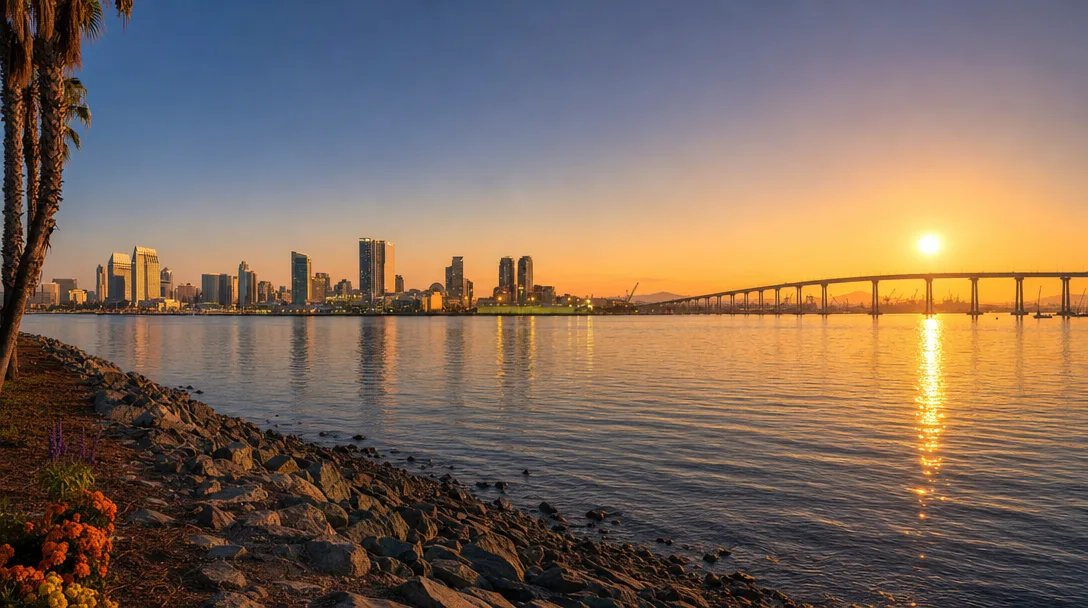
San Diego's most important housing decision this month is not a sale or a listing. It is whether the 70-acre NAVWAR site in the Midway District, long planned for nearly 8,900 homes, could instead become a 400-megawatt data center. On October 22, Mayor Todd Gloria signed an executive order creating a temporary citywide moratorium on data center permitting while permanent regulations are drafted. For anyone buying, selling, or investing near this corridor, here is what the fight is really about, and how I read it after 18+ years in San Diego real estate, including years in commercial construction.
My first questions with every client are always the same: What is your biggest challenge? Where are you headed next? The NAVWAR decision is one of those rare moments when an entire neighborhood answers both at once, because what gets built here will shape the Midway District, Old Town, Mission Valley, and Point Loma for decades.
The Land That Was Supposed to Bring 8,900 Homes
The parcel is owned by the Navy and currently houses the NAVWAR command, short for Naval Information Warfare Systems Command, on roughly 70 acres between Pacific Highway and Interstate 5 just north of downtown. Under the plan selected with Manchester Financial Group of San Diego and Edgemoor Infrastructure & Real Estate of Virginia, the site was set to become a true neighborhood: about 8,900 residential units, 2.8 million square feet of commercial space, two hotels, 281,000 square feet of retail, and roughly 2 million square feet of replacement Navy facilities, with towers up to 30 stories. The Navy's environmental review was expected to move forward around 2027.
To put 8,900 units in context: that is a small city dropped onto the bayfront. At a time when the county median price sits near $910,000 and only about 17% of households can afford a median-priced home, every residential unit on this parcel matters. Just a mile north, the Midway Rising redevelopment of the Sports Arena site took another major step this month toward 4,254 homes of its own, and together these two projects are where San Diego's supply question will be won or lost.
Then Came the Data Center Question
In mid-October, Voice of San Diego reported that Manchester Financial was weighing a roughly 400-megawatt data center on about 60 acres of the parcel, potentially the largest data center in California. Other options reportedly include a medical center, a university campus, and defense-related uses. Manchester has said housing remains a major part of the development and no data center negotiations are underway, but the possibility alone changed the conversation overnight.
Why does 400 megawatts matter? That is not a server room; it is a power draw the size of a small city, which is why opponents cite rising electricity costs and surging energy demand. For a region that has spent years begging for more housing, trading 8,900 homes for a giant power customer is a hard optic to defend.
Why the City Can't Just Say No
Here is the part most people miss: the land is federally owned. The Navy plans to lease it to the development team in exchange for a new office complex built for the command on a nearby site, with Manchester receiving a 99-year lease to develop the rest. Because it is federal land, the project does not require the usual city permits, which sharply limits local leverage. That is why the moratorium targets data centers citywide: the city cannot unilaterally halt the federal site, but it can set the rules for every other data center that might follow.
What the Moratorium Does and Doesn't Do
Announced on October 22 alongside Councilmembers Sean Elo-Rivera, Joe LaCava, and Kent Lee, the order pauses data center permitting and development citywide while permanent rules are drafted, with new legislation proposed and the moratorium scheduled to go before the City Council. If you own land, invest in commercial property, or work with tenants near the airport or the Mission Valley corridor, this is the policy shift to watch into 2027.
What a Data Center Build Actually Looks Like
From my years in commercial contracting, I can tell you what a 400-megawatt data center means on the ground: years of concrete and steel, industrial power infrastructure, cooling running around the clock, crews arriving in phases, then a comparatively small permanent workforce. Compare that with 8,900 homes: construction jobs, families and military households moving in, retail opening to serve them, schools gaining enrollment, and a neighborhood that comes alive on weekends.
And as an investor and funder, I will give you the honest counterargument: data centers can be extremely profitable for landowners, with long leases and minimal operating friction. That is precisely why the elected discussion matters, because profit and neighborhood value are not the same thing, and this site is big enough that the choice between them will be made in public for years.
What It Means for Buyers, Sellers, and Investors
For buyers, the practical takeaway is that the western half of San Diego's housing pipeline could shrink just as starter prices are finally cooling. If fewer homes get built on bayfront land, competition for attached homes in Mission Valley, Morena, Old Town, and Point Loma stays intense. My Buying Guide walks through how to position yourself when supply is uncertain: get truly pre-approved, decide your commute and lifestyle priorities first, and move when the numbers work. The Military and Veterans page matters here too, because the NAVWAR command is part of why this corridor supports so many military families.
For investors, this is a reminder that entitlement fights are the real market. The difference between 8,900 residents and a 400-megawatt industrial campus will show up in rents, retail demand, and resale values across the Midway corridor for decades. Watch the City Council calendar, track the environmental review, and judge any data center proposal by what it does to the neighborhood, not just the lease math. My Investment Properties page explains how I run that analysis for my own portfolio, and I would be glad to run it with you.
For sellers, the message is simpler: this corridor's story is still being written, and buyers read the headlines. Price and market your home on today's neighborhood and today's data, and I will flag what deserves a closer look as decisions land. My Selling Guide covers pricing, preparation, and timing in detail.
A Decision for the Whole Corridor
Even in the middle of all this, the calendar keeps reminding me why these neighborhoods matter. Old Town, which borders the NAVWAR site, hosts its Día de los Muertos celebration October 31 through November 2, and the San Diego Food and Wine Festival takes over the Embarcadero November 1-8. Neighborhoods with this much culture are worth fighting for, and worth buying into when the opportunity arrives.
Where Are You Headed Next?
Here is my honest read. The NAVWAR site was planned as thousands of homes San Diego badly needs, and the data center option has put that future in question. The moratorium buys time, but the real decision will play out over years, not in a single headline.
If any of this touches your plans, let us talk it through. What is your biggest challenge? Where are you headed next? Call or text me at (619) 630-9618, or visit the contact page and let us build a strategy together. Helping people make confident real estate choices in moments like this is exactly why I love this work.

Hanna Bederson
Real Estate Agent, Investor & Military Spouse · San Diego · DRE #02096870
Wondering how the NAVWAR decision could affect your next move?
Let's Talk StrategyIn service, Hanna