Pre-Sale Home Repairs in San Diego: What Fixes Actually Pay Off in 2026
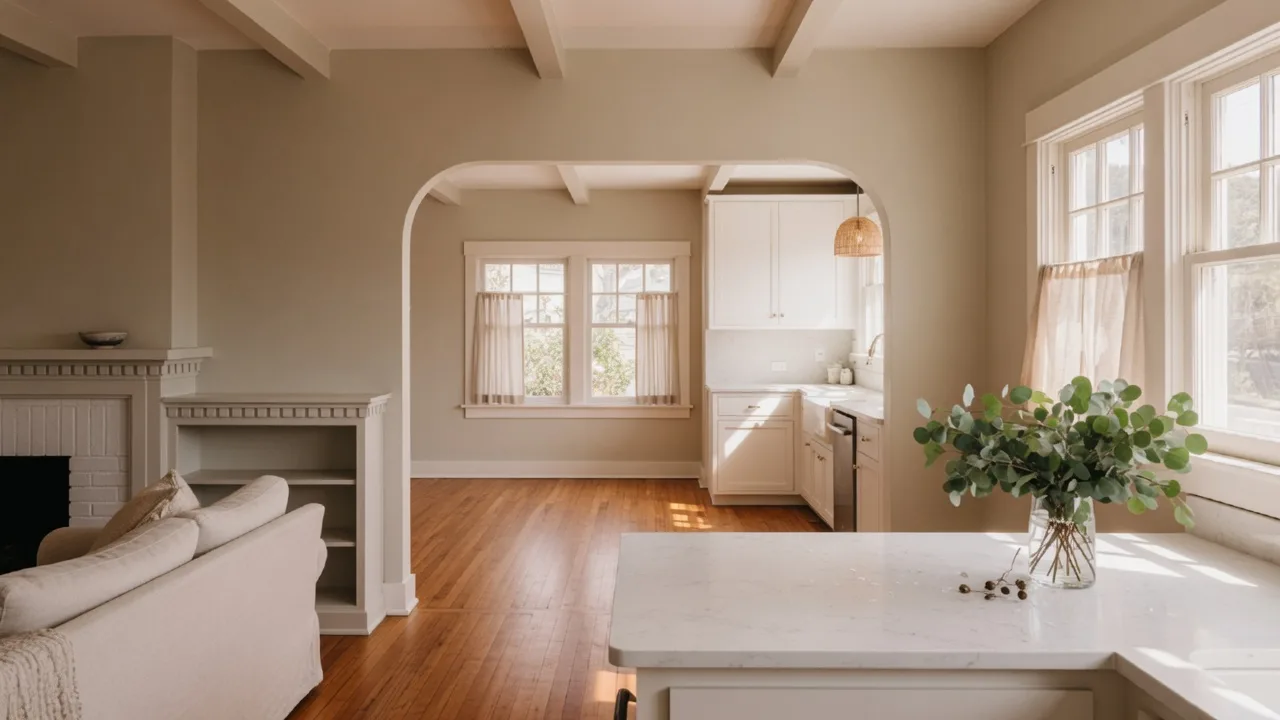
One of the most common questions I get from home sellers is a simple one: "What do I need to fix before listing?" And the honest answer, after 18 years in real estate and a background in commercial contracting, is that it depends. Not every repair delivers the same return, and in San Diego's current market — where inventory has risen to roughly 6,400 to 6,800 active listings and buyers have more choices — the right repairs can make the difference between a fast sale at full price and a listing that sits for 40 days before the first serious offer.
I have walked through hundreds of homes with sellers over the years. Some were turnkey and ready for their close-up. Others needed significant work. And the ones who made the smartest decisions were the ones who understood that preparation is not about spending the most money — it is about spending the right money on the things that matter most to buyers in your price range and neighborhood.
Where the Market Stands Right Now
Before we talk about specific repairs, it helps to understand what San Diego buyers are seeing. As of August 2026, active listings county-wide are sitting at roughly 6,400 to 6,800 homes, representing about 3.2 months of supply. That is the highest inventory level since 2020. The days of a home selling in under a week regardless of condition are behind us. Median days on market has stretched to roughly 28 to 37 days, and the sale-to-list price ratio has settled to about 98% to 99% county-wide.
What this means for sellers: buyers are comparing. They have options. A home that needs obvious work is going to sit alongside homes that are move-in ready, and in this environment, condition matters more than it did during the frenzy years. Price can compensate for deferred maintenance, but the question is whether you are better off fixing the issues and selling higher, or pricing below market and letting the next owner handle the work.
That calculation is different for every seller, and it is one of the conversations I spend the most time on when I first meet with a client. What is important to you? Are you looking to maximize every dollar, or is your priority a clean, fast close?
The Repairs That Consistently Deliver a Return
From my contracting background, I have a clear sense of which projects actually change a buyer's perception of a home. Here is what I see making the biggest difference in 2026.
Paint: The Single Highest-ROI Investment
A fresh coat of neutral, modern paint is the most cost-effective improvement you can make before listing. It makes a home feel clean, well-maintained, and move-in ready. I recommend sticking with warm whites, soft greiges, and light beiges that complement San Diego's natural light. Avoid bold accent walls — let the architecture and the views speak for themselves. For a typical 1,500 to 2,000 square foot home, interior painting runs roughly $2,500 to $5,000 depending on ceiling height and wall condition, and it almost always pays for itself in a faster sale at a higher price.
Flooring: Carpet Replacement vs. Hardwood Refinishing
Carpet is one of the first things buyers notice, and worn or stained carpet signals neglect. If you have carpet that is visibly aged, replacing it with a quality mid-range carpet in a neutral tone — or better yet, installing luxury vinyl plank in high-traffic areas — is a solid investment. Budget roughly $3 to $6 per square foot installed.
If you have hardwood floors under that carpet, having them refinished is even better. Refinishing existing hardwood costs about $3 to $5 per square foot and transforms the entire feel of a home. In neighborhoods like North Park, Mission Hills, Kensington, and La Mesa where original hardwood is a desirable feature, this investment can add thousands to your final sale price.
Curb Appeal: First Impressions Start Outside
San Diego's climate means buyers are outside year-round. The front yard, entryway, and exterior are the first things they see, and they set the tone for everything that follows. A few practical investments:
- Landscaping cleanup. Trimmed hedges, fresh mulch, weeded beds, and a healthy lawn typically cost $500 to $2,000 for a professional refresh and make an enormous difference in how a home presents.
- Front door repaint or replacement. A freshly painted front door in a warm, inviting color costs under $200 in materials. A new door runs $500 to $1,500 installed. It is one of the smallest investments you can make with the highest visual impact.
- Exterior power washing. Driveways, walkways, patios, and siding accumulate San Diego's famous dust and coastal grime. A professional power wash runs $300 to $600 and makes the whole property feel fresh.
Kitchen and Bath: Focus on the Details, Not the Full Renovation
A full kitchen remodel before selling rarely recoups its cost. Buyers want to see a clean, functional kitchen that looks well-maintained. They do not expect a chef's kitchen at every price point. What matters:
- Cabinet hardware and finish. Replacing dated brass or worn knobs with modern brushed nickel or matte black handles costs under $200 and modernizes the entire kitchen instantly.
- Fresh caulk and regrouting. This is one of those details that agents and home inspectors notice immediately. Clean, fresh caulk around counters, sinks, and tubs tells buyers the home has been cared for. Cost: under $100 in materials, or roughly $300 to $500 if you hire a handyman.
- Faucet replacements. A new kitchen or bathroom faucet in a modern finish runs $150 to $400 installed. It is a small detail that reads as intentional upkeep.
- Refinishing rather than replacing. If your countertops are functional but dated, having them resurfaced rather than replaced can save thousands. A quality resurfacing runs $500 to $1,500 compared to $3,000 to $8,000 for new granite or quartz.
The Repairs You Can Skip (and Why)
Not every project is worth the investment before a sale. Here is what I typically advise sellers to leave for the next owner:
- Major kitchen remodels. Unless the kitchen is truly non-functional — missing appliances, damaged cabinets, non-working fixtures — a full gut renovation rarely makes sense. Buyers want to see a home's bones, not a custom renovation they did not choose.
- Bathroom renovations. Same logic. If the bathroom is clean and functional, let the buyer decide whether to invest in upgrades. Focus on cleanliness, fresh caulk, and good lighting instead.
- Roof replacement (unless actively leaking). A roof with a few years of life left is a disclosure item, not a repair problem. Buyers expect to negotiate based on remaining useful life. Replace only if there is active leaking or significant damage visible during inspection.
- HVAC system replacement. If the system works, leave it. If it is at the end of its useful life, disclose the age and let the buyer factor it into their offer. Offering a home warranty or credit toward replacement is often more efficient than replacing the system yourself.
When a Home Needs Significant Work: The Investor Perspective
Here is where my background as both a real estate agent and an investor comes into play. Some homes need more than a facelight. They need significant repairs — foundation work, electrical upgrades, plumbing, or structural issues. And for those homes, the best strategy is often to price accordingly and sell to a buyer who has the resources and willingness to take on the project.
San Diego has a healthy market for fixer-uppers, especially in established neighborhoods where land value is strong. A home in need of significant work in a desirable area like La Mesa, Kensington, North Park, or parts of Allied Gardens will still attract buyers — they just will not pay the same price as a turnkey home on the same street. The key is accurate pricing that reflects the scope of work needed.
If you are in this situation, I recommend having a contractor (or someone with a contracting background, like me) walk the property before you price it. Understanding the realistic cost and timeline of the necessary repairs helps you set a price that attracts serious buyers, not tire-kickers. It also helps you evaluate any offers that come in — a cash offer from an investor is not necessarily a lowball if the repairs are extensive. Our Selling Guide walks through how to evaluate different types of offers and choose the right path for your situation.
For sellers facing a complex situation — divorce, estate settlement, or a difficult property that requires creative solutions — having someone who understands both the real estate and the construction side of the equation makes a real difference. That is where I come in.
Disclosure: The Law and the Right Thing
California has some of the strongest seller disclosure requirements in the country, and San Diego County recently added new rules. As of 2025 and 2026, sellers are required to disclose:
- Known material defects (structural, mechanical, plumbing, electrical)
- Gas-powered appliance replacement requirements
- Electrical system inspection results
- Wildfire zone status and related requirements
- Any past repairs or insurance claims
Disclosure is not optional, and hiding known issues is the fastest way to end up in litigation after the sale. My advice: disclose everything you know, fix what is reasonable to fix, and price honestly for what remains. A clean disclosure package builds trust with buyers and their agents, and trust matters in this business.
My Process: Walking Your Home With a Contractor's Eye
When I work with sellers, one of the first things I do is walk through the property with both my real estate hat and my contracting background in mind. I look at the home the way a buyer will see it — not just the cosmetic surface, but the systems, the maintenance history, and the things that will come up in an inspection report.
I help my sellers prioritize. We identify the three to five improvements that will make the biggest difference in how the home is perceived, and we estimate realistic costs and timelines. Then we make a plan together. Some sellers want to do the work themselves with their own contractors. Others prefer to take a price reduction and let the next owner handle it. Both approaches work — as long as they are intentional.
I also help sellers think through the timing. In August 2026, we are heading into the late summer window, and the fall season brings its own opportunities. Buyers looking to close before the holidays are active right now. The families who want to be settled before school starts have already acted. The next wave will be buyers who are motivated to close in October and November. Understanding who is in the market and what they care about helps you tailor both your preparation and your marketing strategy.
The Bottom Line
San Diego's 2026 market rewards preparation. With more inventory and more discerning buyers, the homes that sell fastest and closest to asking price are the ones that show like they are ready to be lived in. That does not mean you need a full renovation. It means you need to be intentional about what you fix, honest about what you leave, and strategic about how you price and market the home.
Where are you headed next? If you are considering selling your San Diego home, I would love to walk through it with you and give you an honest assessment of what the market will see — and what investments will pay off. No sales pitch, no pressure. Just a conversation about what is important to you and how we can get you to your next chapter with confidence.
How will it feel when you get there? That is the question that matters most.

Hanna Bederson
Real Estate Agent, Investor & Military Spouse · San Diego · DRE #02096870
What is your biggest question about getting your home ready to sell?
Let's Talk Preparation StrategyIn service, Hanna