The San Diego ADU Boom: How Homeowners Can Build Wealth in Their Backyard
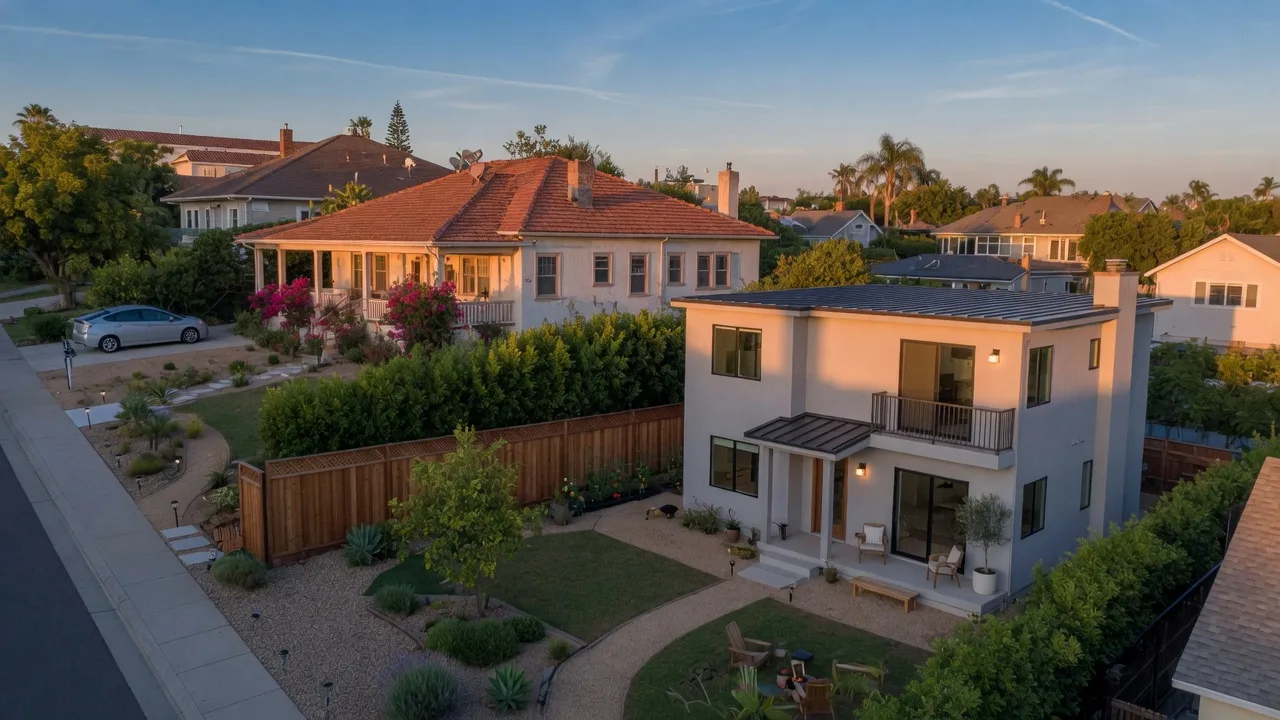
Something remarkable is happening in San Diego backyards. Accessory dwelling units — commonly known as ADUs, granny flats, or casitas — have gone from a niche housing policy to one of the most powerful wealth-building tools available to homeowners in the county. San Diego issued 1,122 ADU permits in 2025 alone, more than double the 538 permits issued in 2024. Through the first months of 2026, the pace has not slowed. And with new state and county legislation opening the door to selling ADUs as separate condominiums, the landscape for homeowners and investors has fundamentally shifted.
With 18+ years in San Diego real estate — and a background in commercial contracting before that — I watch the ADU space closely. This is not a trend. It is a structural change in how San Diego produces housing, and it creates real opportunity for homeowners who understand what is possible. Here is what you need to know.
Why San Diego's ADU Boom Is Happening Now
Several policy changes converged in late 2025 and early 2026 to create the most favorable ADU environment San Diego has ever seen:
- AB 1033 — Separate Sale of ADUs. The City of San Diego adopted this ordinance in August 2025, and San Diego County followed with a unanimous Board of Supervisors vote on March 4, 2026, effective April 4, 2026. AB 1033 allows property owners to sell an ADU as a separate condominium — with its own deed, its own Assessor's Parcel Number, and its own market value. For unincorporated communities like Pacific Beach, La Jolla, Mission Beach, and Bird Rock, this is brand new territory.
- SB 543, AB 1154, and AB 462 — Streamlined Permitting. Effective January 1, 2026, these laws enforce binding 60-day approval timelines for ADU permits and simplify regulations in coastal and multifamily zones. No more months-long waiting games with the planning department.
- San Diego's 2025 Land Development Code Amendments. These amendments now allow up to eight ADUs on some qualifying properties — a dramatic expansion of what is possible for homeowners with space.
- Reduced Setback and Parking Requirements. State and local changes have eliminated many of the barriers that previously made ADU construction impractical on smaller lots. If you have a backyard in San Diego, there is a good chance you can build.
The result: a construction boom that is reshaping housing supply from the ground up, one backyard at a time.
What an ADU Can Actually Do for You
As someone who has built, invested in, and sold real estate for nearly two decades, I see ADUs through three distinct lenses — each one relevant to a different type of homeowner.
For Homeowners: Generate Income Without Selling
An ADU is one of the most effective ways to generate rental income from property you already own. A well-built detached ADU in San Diego can command monthly rents between $1,800 and $3,200 depending on size, location, and finishes. That is not pocket change — on a $200,000 to $300,000 ADU build, the rental income can create a meaningful return on investment over time, while simultaneously increasing the overall value of your property.
I also see homeowners use ADUs for aging parents, adult children, or as dedicated home offices. The flexibility is part of the appeal. But from a financial standpoint, the income potential is what makes the numbers work.
For Investors: A New Acquisition Strategy
This is where AB 1033 changes the game. Before this law, building an ADU on your property added rental income and property value, but you could not sell it separately. Now, with a condominium conversion, you can. Properties in coastal areas like Pacific Beach and La Jolla have already seen standalone ADU sales in the $450,000 to $500,000 range.
For investors, this creates a new playbook: purchase a property with ADU potential, build or renovate the unit, convert it under AB 1033, and sell it as a separate condominium. The spread between construction cost and sale price can be significant — especially in neighborhoods where entry-level homeownership options are scarce and demand remains high.
Of course, the numbers have to pencil. Construction costs, permitting fees, HOA establishment costs, and the condominium conversion process all factor into the equation. This is exactly the kind of analysis I walk through with my investor clients. Every deal is different, and the details matter.
For Buyers: A New Entry Point into Homeownership
AB 1033 does not just benefit sellers. It also creates new opportunities for buyers. In a county where the median detached home price sits above $900,000, a newly built ADU condominium at a lower price point can be the first step onto the homeownership ladder. These units are typically smaller — often 500 to 1,000 square feet — but they offer modern finishes, no shared walls with the main house, and established neighborhoods with walkable amenities. For first-time buyers, military families on a budget, or investors looking for a manageable entry point, ADU condominiums deserve a spot on the search list.
What a Contractor Sees That Others Miss
Before I was an agent, I worked in commercial construction. That background shapes how I evaluate ADUs — and honestly, it is the reason I urge caution alongside enthusiasm.
Not all ADUs are created equal. Quality varies enormously. I have seen beautifully designed, code-compliant units that add genuine value to a property. And I have seen poorly constructed ADUs with shortcuts on foundation work, electrical, plumbing, and insulation that create problems for years. In a market where permits are easier to get and demand is high, the temptation to cut corners is real.
Here is what I recommend every homeowner evaluate before committing to an ADU project:
- Licensed, insured contractors with ADU-specific experience. Generalists can build an ADU. Specialists build them well. Ask for examples of completed projects and verify licensing through the California CSLB.
- Realistic budgets and timelines. A quality detached ADU in San Diego typically costs between $200,000 and $350,000 depending on size and finishes. Permitting through construction, expect 8 to 14 months from start to occupancy. Anyone who promises faster or cheaper should raise a flag.
- HOA and condominium conversion compliance. If you plan to sell the ADU separately under AB 1033, the unit must meet condominium conversion requirements, including CC&Rs, a homeowners association, and a recorded condominium plan. Building the unit is only part of the process.
- Long-term maintenance. An ADU is a second structure on your property. It needs roofing, HVAC maintenance, plumbing attention, and insurance coverage. Factor those costs into your financial projections from day one.
The ADUs that hold their value and generate reliable returns are the ones built correctly the first time. That is not a marketing line — it is a construction reality I have seen play out across dozens of projects.
The Numbers: What ADUs Mean for San Diego's Market
Zoom out from any individual property and the macro picture is significant. San Diego faces a structural housing shortage. The county needs tens of thousands of additional housing units to meet demand, and traditional development alone cannot fill the gap. ADUs are a critical piece of the solution because they add housing supply without requiring new land, new infrastructure, or new neighborhood construction.
With over 1,000 permits issued in 2025 alone, ADUs now represent a meaningful share of new housing production in San Diego. And the policy environment suggests this pace will continue. The city's "Affordable Housing Permit Now" program has permitted 6,746 homes over three years, and ADUs are a growing portion of that pipeline.
For homeowners, this means your property sits in a market where additional units are actively increasing the neighborhood's housing density and — in many cases — supporting property values by meeting demand that would otherwise go unaddressed. For buyers considering a neighborhood, the presence of well-built ADUs is often a signal of a community that is adapting and investing.
Is an ADU Right for Your Property?
Every property is different, and the right answer depends on your lot size, zoning, financial goals, and timeline. Here are the questions I encourage homeowners to ask:
- Does my lot qualify? Most residential lots in San Diego can accommodate at least one ADU, and many can support more. The city and county planning departments provide zoning maps and eligibility information.
- What is my goal? Rental income? A separate dwelling for family? A future sale under AB 1033? The answer shapes everything from design to budget to permitting strategy.
- What is my budget reality? ADUs are an investment, not an expense. But they require upfront capital. Understanding the full cost — permits, design, construction, landscaping, and conversion fees if selling separately — is essential before breaking ground.
- Do I need help navigating the process? Permitting, contractor selection, design review, and condominium conversion involve multiple moving parts. Having someone who understands both the construction side and the real estate side makes the difference between a smooth project and a costly headache.
Whether you are a homeowner exploring the possibility for the first time, an investor evaluating an ADU strategy, or a buyer searching for an affordable entry point into San Diego real estate, the ADU landscape has never offered more opportunity. But opportunity rewards preparation, not impulse.
Where Are You Headed Next?
If you are curious whether your property has ADU potential, or you want to understand how the AB 1033 condominium conversion process works in practice, I would love to have that conversation. I bring a contractor's eye for build quality, an investor's discipline for the numbers, and 18+ years of San Diego real estate knowledge to every client interaction.
What is important to you? Let's figure it out together.

Hanna Bederson
Real Estate Agent, Investor & Military Spouse · San Diego · DRE #02096870
Ready to explore your ADU options?
Let's Talk StrategyIn service, Hanna