The San Diego County Fair: Economic Impact and What It Means for Our Community
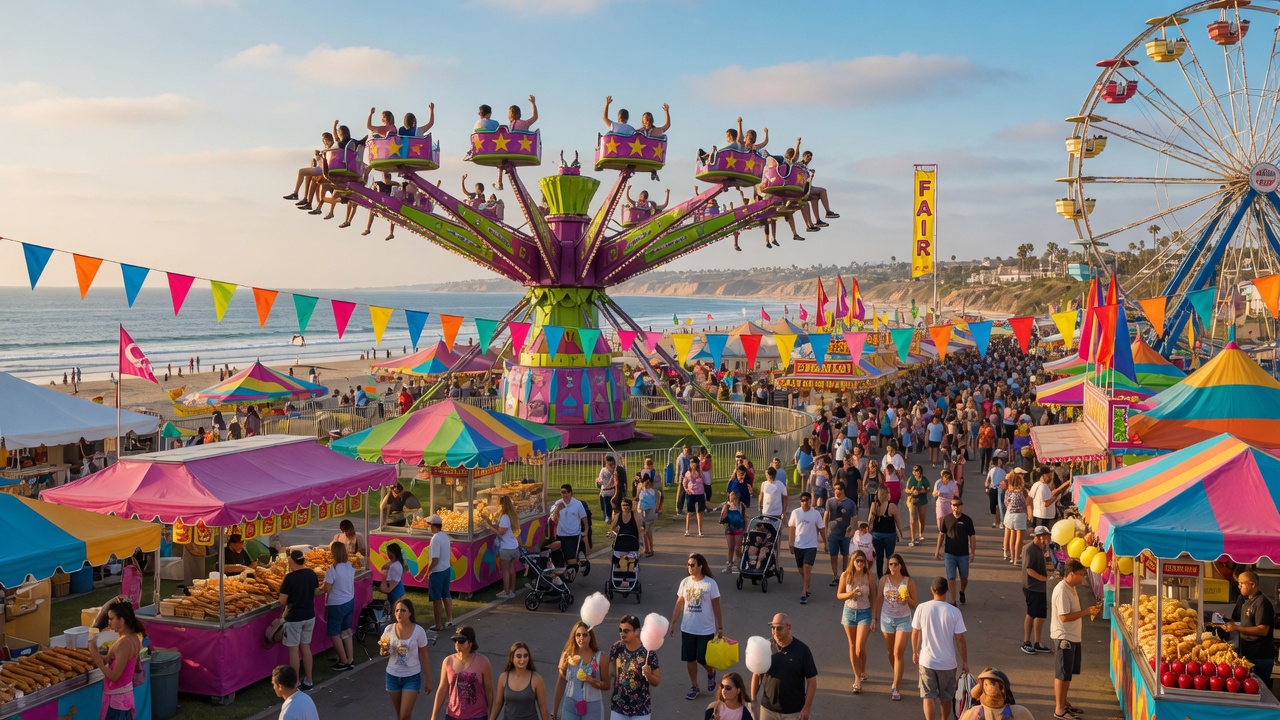
Every summer, the San Diego County Fair transforms the Del Mar Fairgrounds into one of the most visited attractions in Southern California. With over 1.5 million visitors pouring through its gates each year, the fair is far more than a seasonal tradition — it is one of the single largest economic engines in the San Diego region, generating hundreds of millions of dollars in direct and indirect activity and touching nearly every corner of the local economy.
Whether you are a longtime San Diego resident, a small business owner, or someone thinking about buying a home in this region, the fair tells you something important about the health and trajectory of our community. Here is why it matters.
Overview: One of California's Largest County Fairs
Held annually at the Del Mar Fairgrounds — a 340-acre venue perched just inland from the Pacific Ocean along the I-5 corridor — the San Diego County Fair is one of the largest county fairs in California and consistently ranks among the top fairs in the nation. The fair typically runs for several weeks from late May through early July, featuring hundreds of exhibitors, live entertainment, carnival rides, agricultural showcases, food vendors, art displays, and family-friendly programming.
But beyond the funnel cake and Ferris wheels, the fair is a serious economic event. The Del Mar Fairgrounds itself operates year-round as a major event venue, but the fair remains its marquee draw — the single event that generates the most foot traffic, the most revenue, and the most widespread benefit to surrounding communities.
Economic Impact and Revenue
The San Diego County Fair generates significant economic impact across the region each year. While exact figures vary annually based on attendance, weather, and programming, the fair and the Del Mar Fairgrounds complex have historically produced well over $200 million in total economic activity for the San Diego area — a figure that includes direct spending by fairgoers, vendor revenue, employment wages, and indirect multiplier effects across the local supply chain.
That impact breaks down into several key categories:
- Direct visitor spending. Fairgoers spend money on tickets, food, merchandise, games, parking, and entertainment. With 1.5 million or more visitors over the course of the run, even modest per-capita spending adds up quickly.
- Vendor and exhibitor revenue. Hundreds of food vendors, craft exhibitors, retail sellers, and agricultural participants rely on the fair as one of their most profitable sales windows of the year. For many small businesses and family-owned operations, the fair represents a significant percentage of their annual income.
- Seasonal employment. The fair supports thousands of temporary and seasonal jobs — from ride operators and food service workers to event staff, security, logistics crews, and entertainment technicians. These jobs inject wages directly into the local economy during peak summer months.
- Hospitality and tourism spillover. Visitors traveling from outside San Diego County — and there are many — spend money on hotels, restaurants, gas stations, rideshare services, and retail in the surrounding area. The Del Mar and North County coastal corridor sees some of its highest hospitality revenue during the fair's run.
The Del Mar Fairgrounds itself is also a year-round venue hosting trade shows, conventions, equestrian events, and community gatherings that continue driving economic activity well beyond the fair's closing day. But the fair remains the centerpiece — the event that puts the venue on the map each summer and generates the largest single burst of regional spending.
Benefits to Local Businesses
One of the most tangible effects of the fair is what it does for the small and mid-size businesses in and around Del Mar. Restaurants, coffee shops, retail stores, and service providers in the surrounding communities — Del Mar, Solana Beach, Encinitas, Carmel Valley, and beyond — see a noticeable bump in revenue during the fair's run.
That spillover is not accidental. The fair draws visitors who are already in a spending mood, already in the area, and often looking for experiences beyond the fairgrounds. Families visiting for the day will grab breakfast before the fair opens, stop at a local shop after leaving, or extend their trip with a dinner reservation along the coast. That pattern repeats thousands of times over the course of the fair, creating a sustained revenue boost for businesses that benefit from the increased foot traffic.
The fair also provides a unique platform for San Diego-area entrepreneurs and artisans. Vendors, craft sellers, food producers, and performers gain exposure to audiences they might not reach through their normal channels. For a startup food brand or a local artisan trying to build a customer base, the fair is a launchpad — a place to test products, build a following, and generate the revenue needed to take the next step.
And the economic benefits are not confined to the fairgrounds fence line. The surrounding communities feel the lift, too. Del Mar's hotels and vacation rentals see higher occupancy. Solana Beach's dining scene benefits from overflow traffic. Encinitas shops and boutiques capture fairgoers exploring the broader North County coast. The fair acts as a catalyst that amplifies economic activity across the entire corridor.
Community Vitality and Well-Being
There is something worth paying attention to beyond the raw economic numbers. The fact that residents of San Diego County are willing to spend their money on local recreation is itself a strong indicator of community health and economic confidence.
When people invest in local experiences — buying fair tickets, taking their families out for a day of entertainment, supporting local vendors — it signals financial stability and optimism about the future. People do not spend on leisure when they are worried about making rent. The fair's consistently high attendance is, in a meaningful way, a vote of confidence in the region's economic trajectory.
Community events like the fair also serve a deeper purpose. They strengthen social bonds, create shared experiences, and foster a sense of belonging that is difficult to replicate through other means. In a region as large and geographically diverse as San Diego County, the fair is one of the rare events that brings people together across neighborhoods, backgrounds, and income levels. That social cohesion matters — it is part of what makes a community resilient.
San Diego's ability to host large-scale, well-attended events year after year — the fair, Comic-Con, major sporting events, cultural festivals — demonstrates the resilience and vitality of the local economy. These events do not happen in economically fragile communities. They happen in places where infrastructure is sound, where businesses are confident enough to invest, and where residents have the disposable income and the desire to participate. The fair is both a reflection of San Diego's strength and a contributor to it.
What This Means for San Diego Real Estate
As a real estate agent who has spent over 10+ years working in this market, I pay close attention to signals like this. A strong local economy, a thriving events scene, and a community where people feel secure enough to invest in local experiences — these are all indicators that support long-term real estate value.
The economic activity generated by the fair contributes to job growth, infrastructure investment, and overall demand for housing in the region. Areas near major event venues and community gathering spaces tend to hold their value well because they benefit from sustained economic activity, infrastructure development, and the kind of visibility that attracts both residents and investors.
The Del Mar corridor — from the fairgrounds to the coast — is a particularly strong example. Real estate in and around Del Mar, Solana Beach, and the surrounding North County communities benefits from the fair's economic footprint, the year-round event calendar at the Del Mar Fairgrounds, and the overall desirability of a region that hosts world-class events while maintaining a small-town coastal feel.
For buyers and investors looking at San Diego, the fair is one more data point in a larger picture: this is a community with economic momentum, strong demand, and a quality of life that keeps people coming back. For sellers, the fair and the broader economic vitality it represents are part of the story that makes San Diego real estate valuable — and that story resonates with buyers who are looking for more than just a house. They are looking for a community that feels alive.
The San Diego County Fair is a tradition, an economic engine, and a barometer of community well-being all at once. And if you are thinking about making a move to San Diego — or making your next move within it — the strength of the local economy is one of the best reasons to feel confident about the decision.

Hanna Bederson
Real Broker · CA License #02096870 · San Diego
If you are ready to schedule your move to San Diego,
Click Here