San Diego Harbor: The Heart of a City on the Rise
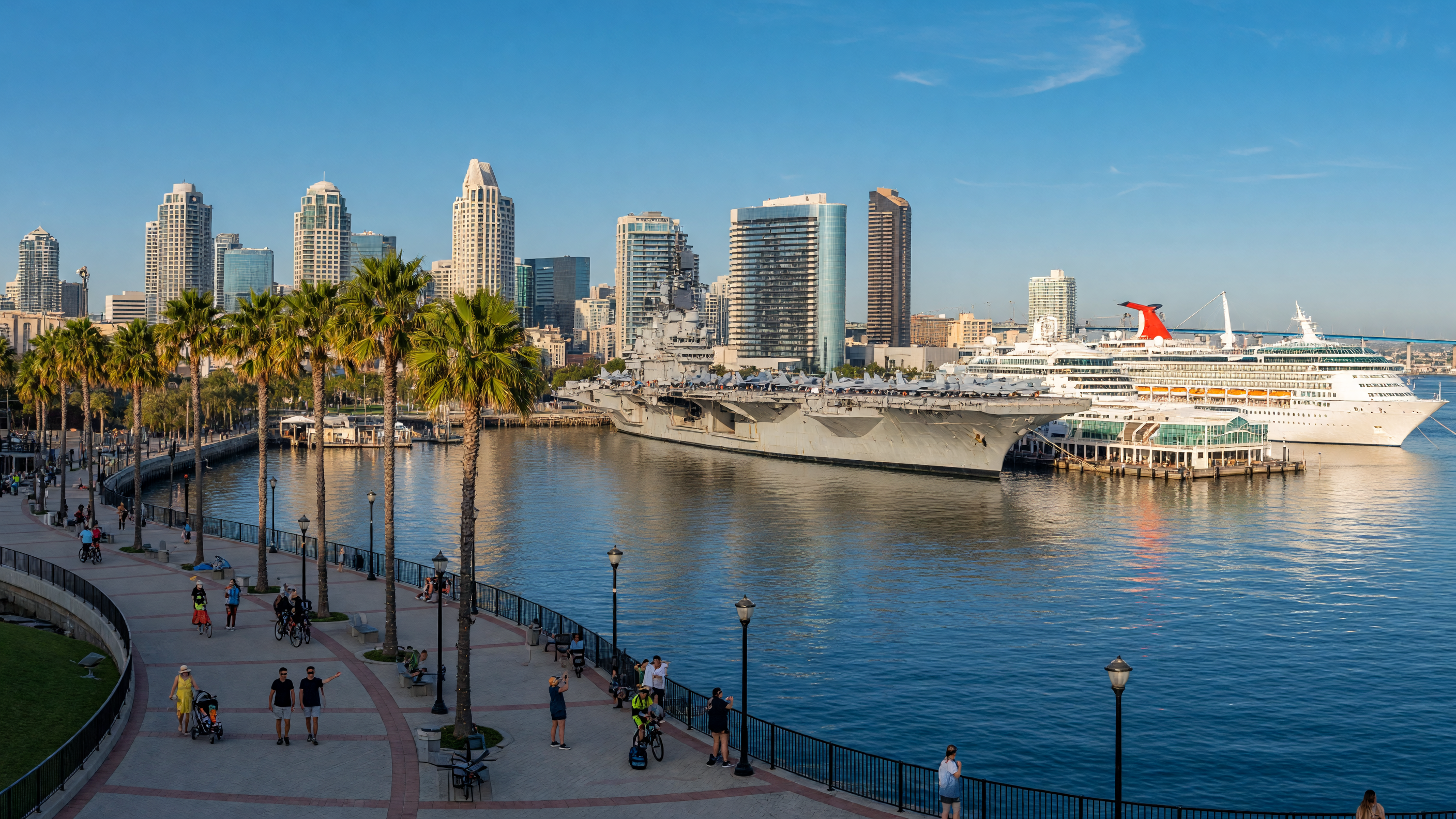
If you want to understand why San Diego is one of the most compelling cities in the country to call home, start at the water. The San Diego harbor is not just a scenic backdrop — it is the city's economic and cultural engine, a place where tourism, community, innovation, and everyday life converge on the waterfront. Every year, the harbor draws millions of visitors, supports thousands of local businesses, and drives investment that ripples through neighborhoods across the entire region. For anyone considering relocating to San Diego, investing here, or simply trying to understand the city's trajectory, the waterfront tells the story.
The Harbor as San Diego's Economic and Cultural Hub
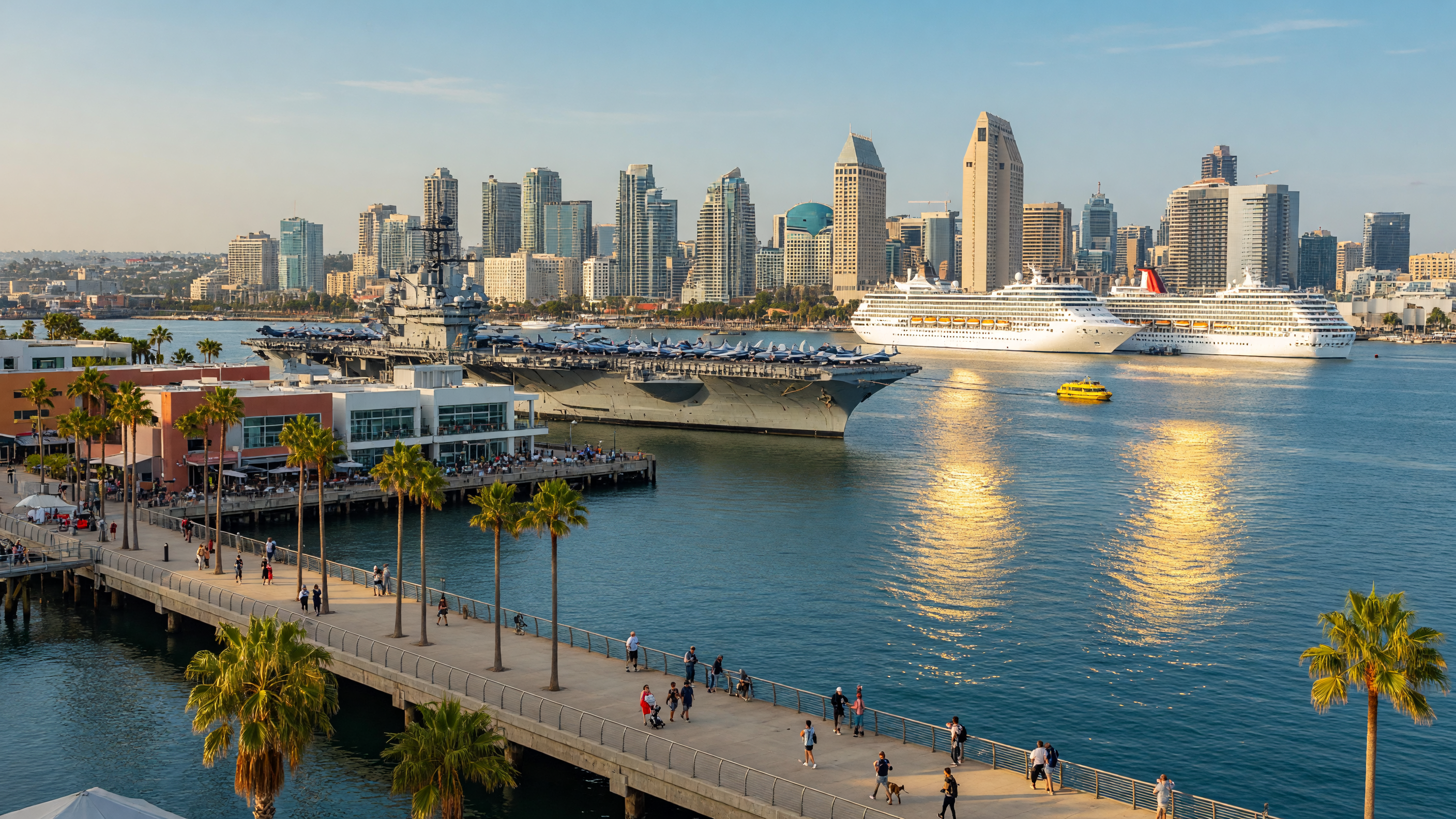
The San Diego harbor — the waterfront that stretches from the Embarcadero in the south through Seaport Village, the Convention Center, and the broader bay — is the economic and cultural beating heart of the city. On any given day, the waterfront is alive with foot traffic, outdoor dining, tourism, and the constant movement of boats and ships. It is a place where people come to work, to play, to eat, and to gather — and where the city's identity is on display.
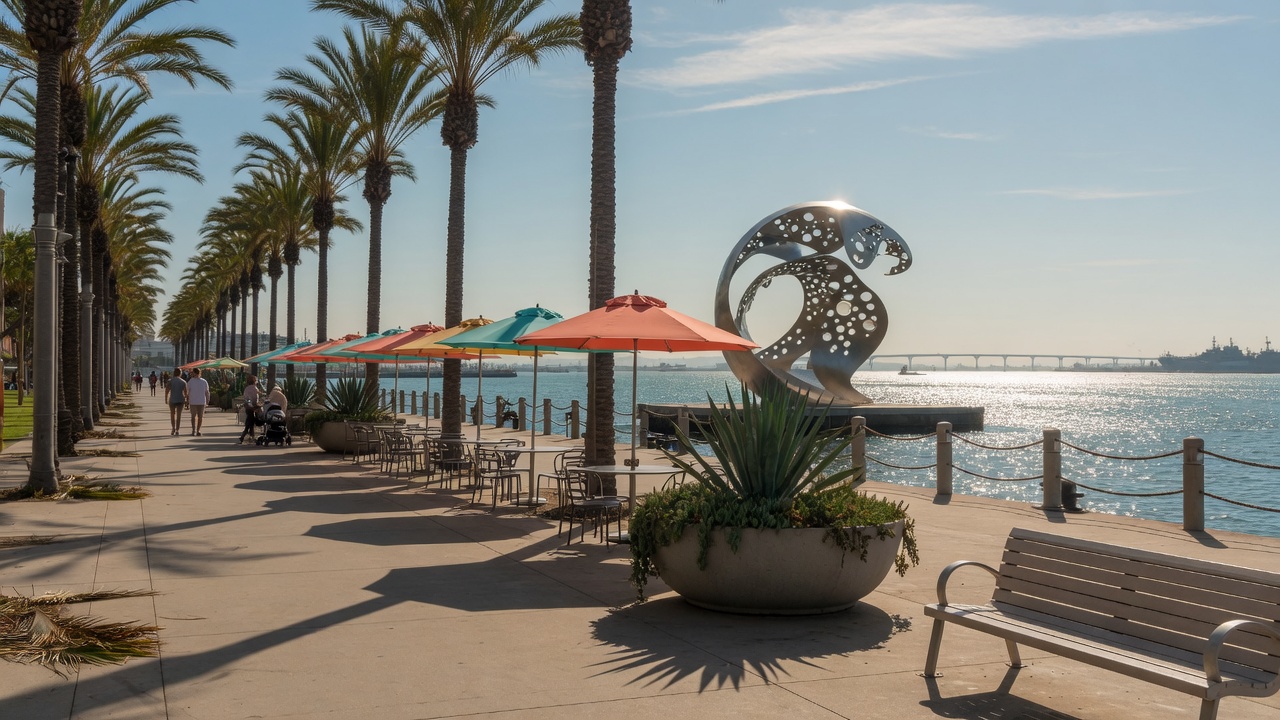
The harbor's economic impact is substantial. Tourism is one of the city's largest industries, and the waterfront is the single biggest draw. Hotels, restaurants, retail stores, and small businesses in the downtown and bay area depend on that constant flow of visitors and residents alike. Conventions, sporting events, and cultural festivals hosted along the waterfront inject hundreds of millions of dollars into the regional economy each year.
But the harbor's importance goes beyond spending. It is a community space — a place where San Diegans walk, jog, kayak, sail, and gather with their families on weekends. The waterfront creates a sense of place that is difficult to replicate, and that sense of place is one of the key factors that attracts people to San Diego and keeps them there.
Freedom Park: Hugely Ambitious Public Space on the Water
One of the most exciting developments on the San Diego waterfront is the ongoing build-out of Freedom Park, a major new public space designed to significantly expand the waterfront's role as a civic and recreational hub. The project creates acres of new open space, greenery, walkways, and community amenities that connect directly to the harbor promenade and adjacent neighborhoods.
Freedom Park is not just another park — it is part of a broader vision to make San Diego's downtown waterfront more accessible, more walkable, and more economically vital. New public green spaces encourage foot traffic, attract visitors, and create a stronger connection between the waterfront and the neighborhoods behind it. For residents, Freedom Park represents a living room on the bay — a place for gatherings, recreation, and community events in one of the most scenic settings in the city.
For local businesses, Freedom Park means more people spending time and money in the area. When you build a compelling, high-quality public space, people come — and they bring their wallets. That dynamic is exactly what makes the harbor's continuous development such a significant factor for anyone thinking about buying property or investing in the San Diego area.
San Diego as a Major Cruise Ship Terminal
San Diego is one of the busiest cruise ship ports on the West Coast, with the B Street Cruise Ship Terminal and the adjacent Broadway Pier hosting hundreds of cruise ship calls and hundreds of thousands of passengers each year. The port authority has invested heavily in the facility, and the cruise industry continues to grow in San Diego, with new itineraries and expanded capacity driving significant economic impact.
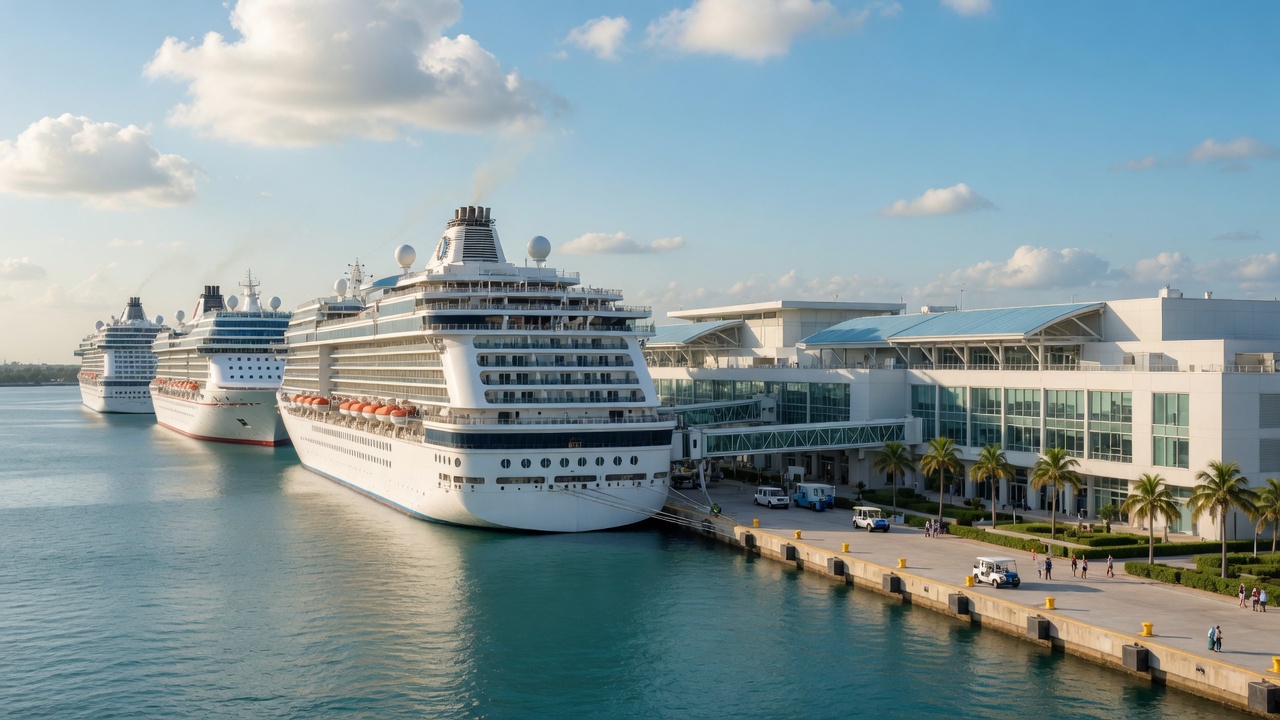
The economic impact of the cruise ship terminal in San Diego is substantial. Each cruise ship call generates an estimated $1 to $2 million in direct spending — on port services, food, transportation, entertainment, and retail for passengers and crew alike. Across a full year, that adds up to hundreds of millions of dollars of economic activity that flows through downtown San Diego and the broader bay area. For the city's hospitality and service industries, the cruise season is a major driver of revenue, and for the waterfront's small businesses, it brings a reliable spike in foot traffic.
The port's infrastructure investments have also made the broader bayfront more attractive for new development. Hotels, restaurants, and entertainment venues have all expanded to serve the growing cruise passenger base, and that growth helps lift property values in the surrounding downtown and waterfront neighborhoods.
The USS Midway Museum: An Iconic Anchor for the Waterfront
The USS Midway Museum is one of the most recognizable landmarks on the San Diego waterfront. Docked on the Embarcadero, the decommissioned aircraft carrier has been transformed into one of the largest museums on the West Coast, drawing over a million visitors each year and serving as one of the city's most popular attractions.

The Midway's impact on San Diego extends well beyond tourism revenue. The museum anchors the waterfront's identity as a place of history and national pride — an attraction that gives visitors a reason to spend time on the Embarcadero and the surrounding area. The museum is also a centerpiece of San Diego's waterfront story, contributing to the city's reputation as a destination where you can experience both natural beauty and living history.
For the downtown and waterfront real estate market, the Midway is an anchor that helps sustain foot traffic, visitor density, and the economic vitality of the bay area. Businesses located near the Midway benefit from the steady stream of visitors who explore the waterfront before and after museum visits, creating a reliable source of revenue for restaurants, retail shops, and hospitality venues in the immediate area.
Seaport Village: A Walkable Waterfront District
Seaport Village is one of San Diego's most beloved and recognizable waterfront destinations. The open-air shopping and dining complex stretches along the bay with charming, low-rise buildings, outdoor seating, and retail shops that draw both visitors and locals year-round.
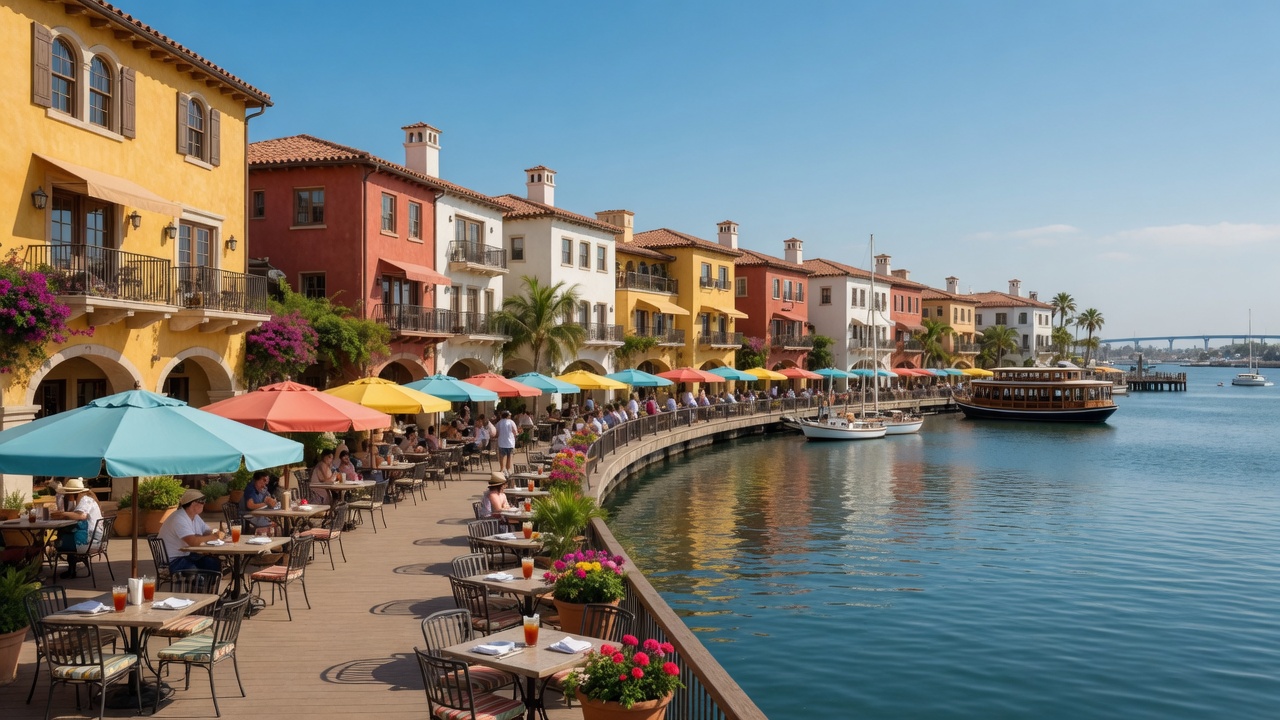
What makes Seaport Village special is its walkability and its role as a gathering place. The district is designed for people to wander, not drive — with pedestrian paths, waterfront views, and a mix of dining and shops that create a relaxed, accessible experience. For families, Seaport Village is a go-to destination; for locals, it is a place to meet a friend for coffee or enjoy the sunset without leaving the city center.
For the real estate market in downtown and the waterfront, Seaport Village adds to the area's appeal as a place where you can live, work, and play without relying on a car. Walkable, mixed-use waterfront districts like Seaport Village are exactly the kind of amenity that attracts buyers — especially professionals and retirees who want an urban lifestyle with strong neighborhood character.
The RADD District for Life Sciences: New Innovation on the Bayfront
One of the most significant new developments on the San Diego waterfront is the planned RADD District — a new life sciences and innovation hub designed to position San Diego's bayfront as a center for research, biotech, and technology. The district is part of a broader effort to diversify San Diego's economy, leverage its strength in life sciences, and create new high-paying jobs in the harbor area.
Life sciences have long been one of San Diego's strongest economic sectors. The city is home to one of the largest concentrations of biotech firms in the country, and the RADD District is designed to bring more of that activity to the waterfront — creating new lab and office space, supporting partnerships with local universities, and building a community of innovators and entrepreneurs that will help drive San Diego's next chapter.
For the harbor area, the RADD District represents a significant shift in the waterfront's identity. Where the Embarcadero was once primarily associated with tourism and recreation, the district adds a new dimension — a place where innovation, research, and economic growth happen alongside the city's cultural and recreational waterfront. That diversification strengthens the harbor's economic base and helps ensure that the waterfront remains a center of opportunity for decades to come.
For real estate investors and homebuyers, the RADD District is a meaningful development. New life sciences jobs attract highly educated, high-earning professionals — people who are likely to buy homes, rent, and spend in the surrounding communities. That kind of economic activity supports property values, enhances demand for housing in nearby neighborhoods, and contributes to the long-term desirability of homes in the area.
Walkability: One of the Most Walkable Parts of San Diego
One of the most compelling features of the San Diego harbor area is its walkability. While much of San Diego is designed around the automobile — with sprawling neighborhoods and wide boulevards — the harbor downtown and waterfront area stands out as one of the city's most pedestrian-friendly corridors.
The Embarcadero, the bayfront promenade, Seaport Village, and the areas around the Convention Center and the Midway are all connected by walkable pathways that invite people to spend time outdoors. In a city where the car is still king, the harbor is a rare example of a place where walking is not just possible — it is easy, enjoyable, and central to the experience.
Walkability is one of the most sought-after qualities in urban real estate. Buyers, especially younger professionals and retirees, prioritize proximity to public spaces, dining, shops, and activities they can reach on foot. The harbor area delivers that in spades. The combination of waterfront access, public spaces, cultural attractions, and walkable commerce makes this one of the most desirable places to live in the entire region.
For anyone relocating to San Diego, the harbor area's walkability is a direct quality-of-life advantage. It means less time in traffic and more time living — and for a city with roughly 280 days of sunshine per year, that outdoor lifestyle is one of San Diego's most powerful selling points.
What It Means for Local Business and San Diego Real Estate
The San Diego harbor is more than a scenic waterfront — it is an economic driver that supports jobs, builds community, and attracts investment. Every new public space, every cruise ship call, every visit to the Midway or Seaport Village, and every new life sciences lab in the RADD District generates activity that strengthens the bayfront and the neighborhoods that surround it.
For local businesses, the harbor's growth means more customers, more foot traffic, and more visibility. For the real estate market, the waterfront's overall trajectory — new public spaces, growing tourism, increasing innovation, and improved walkability — signals long-term demand and investment potential. Properties near the waterfront, especially those in downtown and bay-adjacent neighborhoods, tend to hold their value and appreciate at a higher rate than the city average, in part because the harbor area has the kind of infrastructure investment and community amenities that buyers actively seek.
As a San Diego real estate agent who has spent over 10 years in this market, I see the harbor as one of the clearest indicators of this city's future. When you see a waterfront that is adding public space, growing its tourism economy, attracting world-class innovation, and becoming more walkable by the year, you are seeing a city that is building long-term value. And that value shows up in the real estate market.
San Diego's harbor is not just the city's center of gravity — it is a place that is shaping what San Diego will become. Whether you are a buyer, seller, or investor, understanding the harbor's role in the city's growth gives you a better picture of where San Diego is going — and how you can position yourself to benefit from it.

Hanna Bederson
Real Broker · CA License #02096870 · San Diego
If you are ready to make your move to San Diego, contact Hanna.
Contact Hanna