
101 Ash Street Becomes 252 Affordable Apartments: What San Diego's Downtown Office Conversion Means
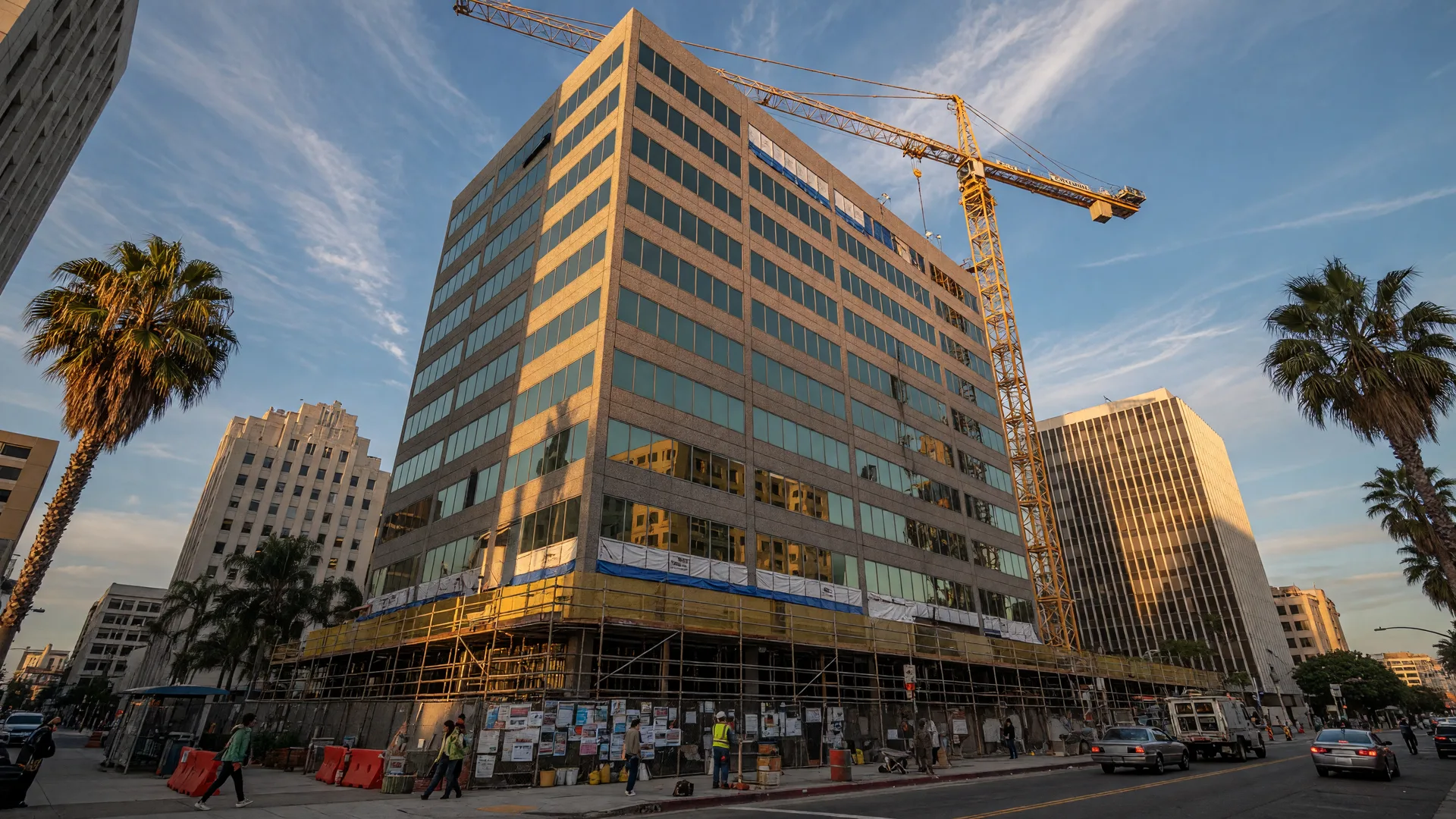
This coming Tuesday, September 15, 2026, the San Diego City Council is set to vote on the final terms that will turn one of downtown's most famous problem buildings into 252 affordable apartments. The 21-story office tower at 101 Ash Street, now called 107 Ash Street, is on the verge of becoming housing for the first time in its history. It is a rare moment where a decade of legal drama finally lands on a real estate outcome, and it matters to everyone who lives, rents, works, or invests in downtown San Diego.
After 18+ years as an agent, investor, and military spouse across San Diego County, I have watched this building's story from a distance and up close. Because I also come from a commercial contracting background, I know exactly what it takes to turn an aging office tower into apartments. Let me walk you through the deal, the construction, and what it means for the market.
How a Downtown Landmark Became a Cautionary Tale
101 Ash Street was built in 1967 and opened in 1968, and for decades it served as the headquarters of Sempra Energy. It occupies a full city block in the heart of downtown, steps from the trolley and the civic center. When Sempra moved out around 2015, the city saw a chance to buy a big office building at a steep discount and use it for city offices.
In early 2017 the city signed a 20-year lease-to-own agreement with developer Cisterra for roughly $132 million. The trouble began almost immediately: when city employees started moving in, the building was found unsafe to occupy because of asbestos contamination. The city stopped paying rent, defaulted, and sued the developer, the lender, and the broker. What followed was years of litigation over one of the most expensive real estate mistakes in San Diego history.
By July 2022 the city settled and took ownership of both 101 Ash Street and Civic Center Plaza for about $132 million combined, with Cisterra refunding $7.5 million in profits. In March 2023 the city settled with the broker, who returned his $9.43 million fee, and the district attorney filed criminal conflict-of-interest charges tied to the original deal. In short, this building cost the city dearly, and everyone involved learned the price of moving fast on a deal that was never properly vetted.
The New Plan: From Empty Offices to 252 Homes
Fast forward to now, and the same building that broke the city budget is being written about as a national model for office-to-residential conversion. In July 2025 the council approved leasing the tower to developers MRK Partners and Create Development, who plan to convert it into affordable housing for households earning 30 to 80 percent of the area median income. The project, renamed 107 Ash Street, has since won federal subsidies and is moving toward closing escrow.
The total cost is about $267.6 million, including roughly $45.6 million to acquire the building, $40.7 million for asbestos abatement and demolition, and $67 million for rehabilitation. Here is the part that surprises people: the city contributes no cash. Instead it loans the building's value to the developer, expects no net taxpayer outlay, and stands to gain an estimated $90 million over the life of the lease. That is a remarkable turnaround for a building that once looked like a permanent loss.
The September 15 vote is on an amendment to the ground lease that would extend the term from 60 to 65 years, increase the city's interest rate, deed-restrict the units as affordable for the entire lease term, and raise the unit count by two, bringing the total to 252 apartments. If approved, it locks in the affordability and the financial terms that make the whole project pencil out.
Why Office-to-Residential Conversion Is Harder Than It Looks
As someone with a commercial contracting background, I want to be honest about how difficult this conversion really is. You cannot simply put apartments where offices were. Every floor in a mid-century tower was built around a central elevator and stair core, with long, deep floor plates designed for rows of desks, not living rooms.
To make homes, developers relocate plumbing and electrical to create bathrooms and kitchens, sometimes across the entire floor plate. They have to run new mechanical systems, upgrade elevators, and often bring the structure up to modern seismic and accessibility codes. And at 101 Ash, they first have to remove asbestos from a 21-story building, a job measured in the tens of millions of dollars and many months of careful work. This is why so few office towers get converted, and why the ones that do usually need government support to work.
When a conversion like this succeeds, the payoff is real housing without new land, using a building that already has transit, sidewalks, and infrastructure around it. That is the smartest kind of density San Diego can add.
What This Means for Downtown Buyers, Renters, and Investors
Affordable units like these will not flood the market or change median prices overnight, but they do two important things. First, they add to downtown's housing stock at a time when San Diego is working to build its way out of a shortage. Second, they bring more residents to a downtown that is still recovering from high office vacancy, which supports the shops, restaurants, and street life that make a neighborhood desirable.
For renters, this project is part of a broader story I have covered on my rental market shift, where new supply is finally giving renters more choices. For investors, the lesson is subtler: the value in a conversion is not in flipping the building, it is in the patient hold, the tax credits, and the long lease that turns a problem asset into steady income. That is the kind of creative structure we talk about on my Investment Properties page.
And for anyone buying or selling in downtown San Diego, watch what a revitalized office district does to nearby neighborhoods. The same energy that is transforming Mission Valley and the waterfront is working downtown, and a converted tower full of residents makes the whole district more livable. If you are thinking about a move in the downtown or mid-city corridor, my Buying Guide and Selling Guide cover the strategy from first step to closing.
What's Important to You?
Here is what I love about this story. A building that was once the city's biggest mistake is being reinvented into homes for people who need them, without new land and without a cash subsidy from taxpayers. It took patience, honest accounting, and creative financing, which is exactly how the best real estate outcomes happen.
Whether you are buying your first downtown condo, selling a home to relocate, or deciding whether an investment property makes sense in this market, the right decision starts with what matters to you, not with what the headlines say. Where are you headed next? That is where I start every conversation, and it is how I have served every client for 18+ years. If you have a question about how projects like this, or the broader San Diego market, affect your next move, I would love to talk.

Hanna Bederson
Real Estate Agent, Investor & Military Spouse · San Diego · DRE #02096870
Wondering how the 107 Ash Street conversion, or downtown San Diego's future, affects your next move?
Let's Talk StrategyIn service, Hanna