Props 1 and 37 on California's November 2026 Ballot: What San Diego Home Buyers, Veterans, and Investors Need to Know
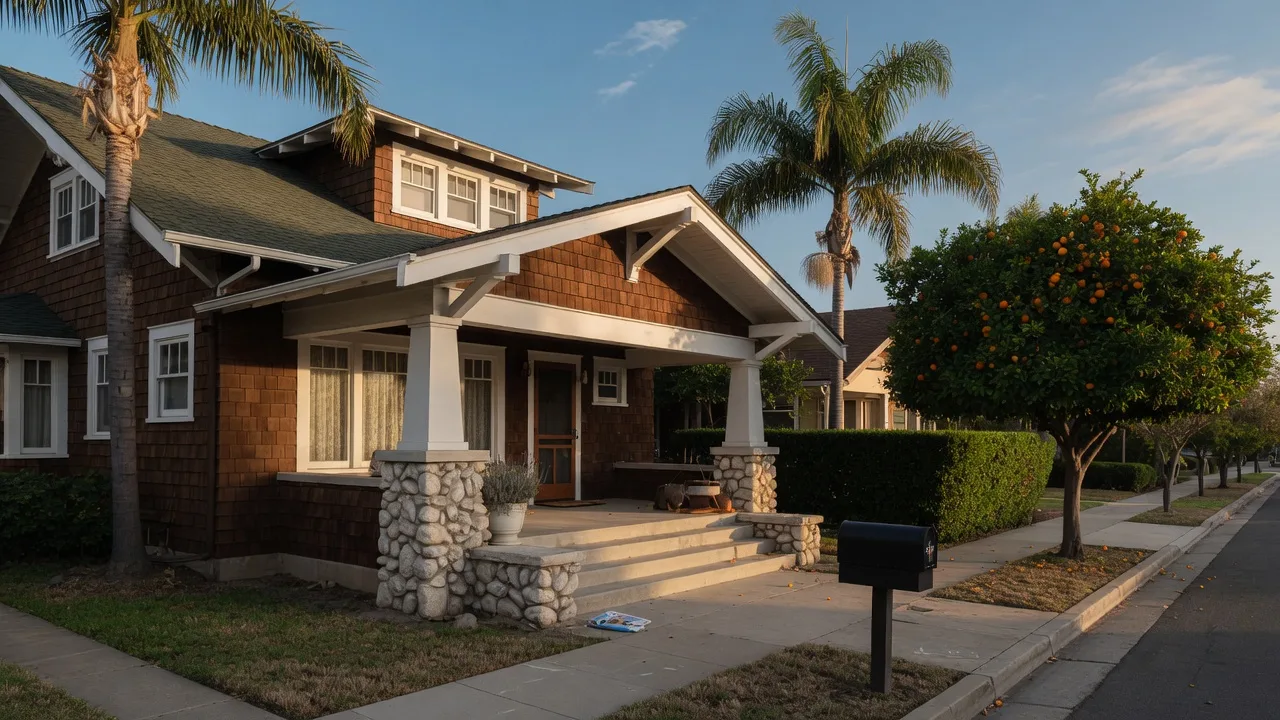
California voters head to the polls November 3, 2026, with two of the largest housing measures in years on the same ballot. Proposition 1 authorizes $11.25 billion in state bonds for affordable housing, supportive housing, and veterans home loans. Proposition 37 would let the California Housing Finance Agency issue up to $25 billion in revenue bonds for down-payment assistance on newly built homes for middle-class buyers. If both pass, they would reshape how San Diego families, military households, and investors think about the road to homeownership.
This is personal for me. As an agent, investor, and the spouse of a military veteran with 18+ years across San Diego County, I spend my days helping people turn housing questions into housing decisions. Here is what these measures actually do, what they do not do, and how to think about them before you vote.
Why This Election Matters More in San Diego
San Diego County's median single-family home price held around $1.02 million in July, easing slightly from June's record $1.05 million, according to the California Association of Realtors. Active listings sit near 6,400, the most the county has seen in years, while mortgage rates hover around 7% after the Federal Reserve's September 16 hike. When a median-priced home demands a six-figure down payment on top of a rate near 7%, the gap between a good paycheck and a key in your hand is wider here than almost anywhere else in the state. Measures built to close that gap are worth understanding.
Proposition 1: The Veterans and Affordable Housing Bond Act
Proposition 1, sometimes called the Veterans and Affordable Housing Bond Act of 2026, asks voters to authorize $11.25 billion in general obligation bonds for housing programs across California. Of that total, $1.25 billion is set aside for the veterans home loan program, which helps veterans buy, refinance, or improve homes at favorable terms. The bond also funds $1.15 billion for supportive housing for people experiencing homelessness, $450 million for farmworker housing, $350 million for student housing at state universities, $200 million for Native American housing, and the remainder for affordable rental and homeownership programs.
San Diego's military community would be among the biggest beneficiaries if this measure passes. Camp Pendleton, Naval Base San Diego, MCAS Miramar, and Marine Corps Recruit Depot anchor one of the largest military populations in the country, and the veterans home loan program has supported service members here for generations. General obligation bonds are repaid from the state's general fund over decades, so this is a long-term commitment, not an immediate fix. It funds programs that build housing and support buyers over many years; it does not put a single home on the market this season.
Proposition 37: The Middle-Class Homeownership Act
Proposition 37, the Middle-Class Homeownership and Family Home Construction Act of 2026, takes a different route. It would allow CalHFA to issue up to $25 billion in revenue bonds for a new down-payment assistance program. Eligible households generally up to 200% of the area median income could receive a second mortgage of up to 17% of the purchase price on newly constructed homes, with buyers putting at least 3% down. Because the program is financed by revenue bonds repaid through borrower payments, backers argue it carries no direct cost to taxpayers.
Here is what 200% of area median income means in San Diego. HUD's 2026 income limit for the county is $130,900 for a family of four, so the program threshold would reach households earning about $261,800, a band that covers a large share of working families locked out of this market. And the 17% matters at San Diego prices: on a $1 million newly built home, that is $170,000 toward your down payment. For a buyer saving $2,000 a month, that is seven years of saving, compressed into a loan you draw once, at closing.
The Catch Worth Understanding: New Construction Only
Proposition 37 assistance applies only to newly constructed homes, and that is deliberate. The state wants to connect demand-side help to supply-side building, so the benefit flows to projects that add housing instead of bidding up existing homes. It is also the part I watch closely as an investor with a commercial contracting background. New construction is where buyers get energy efficiency, modern floor plans, and California's updated building standards baked in, and it is where builders, from Riverwalk in Mission Valley to Southwest Village in Otay Mesa, are racing to meet demand. My overview of what new construction means for San Diego buyers in 2026 walks through the projects shaping that pipeline.
The honest fine print: neither measure changes your mortgage rate, your monthly payment today, or tomorrow's inventory. Bonds take time to structure, programs take time to launch, and even a winning proposition will not fund a loan this year. If you are waiting on the election to make a decision, ask yourself whether the wait matches your timeline, because the decision that matters most is the one for your life, not the state's budget.
What San Diego Buyers, Veterans, and Investors Should Do Now
For buyers, this fall's market is the most balanced in years: more inventory, homes selling in a median of about 27 days, and sellers offering credits again. That is a market for prepared buyers, and the full game plan, from pre-approval to offer strategy, is on my Buying Guide. For veterans, VA loans keep pricing well below market rates, with 30-year fixed purchase rates around 6.375% as of mid-September, zero down, and no private mortgage insurance. My Military and Veterans page covers the neighborhoods, the BAH math, and the timing from someone who has made these moves herself.
For investors, both propositions are signals. California is committing serious money to housing in every direction, from veterans loans to middle-class down-payment help, and every dollar aimed at ownership pressure eventually shows up in supply and demand for years to come. If you hold rentals, sell, or buy investment property in San Diego, the long arc of state policy is more homes, more buyers, and more competition for good product. I run that analysis for my own portfolio, and I would love to run it for yours. The Investment Properties page shows how the numbers work, including what I look for before I ever write an offer.
Where Are You Headed Next?
Here is my bottom line. Proposition 1 and Proposition 37 are meaningful, well-funded attempts to make California housing work for people who currently feel priced out, and in San Diego, that is not a small crowd. Read the official voter guide with these numbers in hand, talk it over with people you trust, and vote your situation. What is your biggest challenge? Where are you headed next? Those questions matter more than any ballot, because the right real estate decision is the one built around your income, your family, and your timeline. Call or text me at (619) 630-9618, or visit the contact page, and let us look at your numbers before November arrives.

Hanna Bederson
Real Estate Agent, Investor & Military Spouse · San Diego · DRE #02096870
Wondering how these measures could affect your next move?
Let's Talk StrategyIn service, Hanna