San Diego County's New Affordable Housing Mandate: What Homeowners, Buyers, and Investors Need to Know
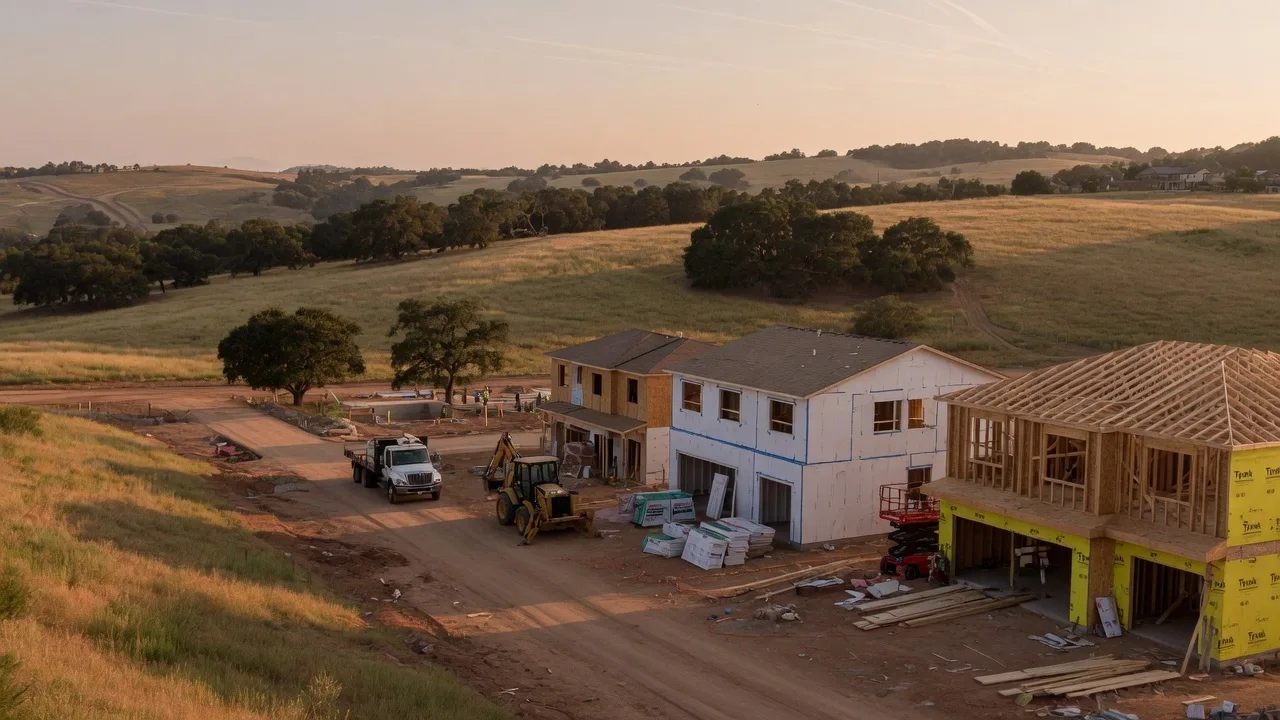
On June 25, 2026, the San Diego County Board of Supervisors took a step that has been years in the making: they adopted an inclusionary housing ordinance requiring most new residential developments in unincorporated areas to set aside a portion of homes for very low-income households. If you own property in or are considering buying or building in communities like Alpine, Ramona, Fallbrook, Valley Center, Lakeside, Spring Valley, or any of the unincorporated areas of San Diego County, this new mandate affects you directly.
As someone who has worked with buyers, sellers, and investors across these communities for over 18 years, I have watched the affordable housing conversation unfold from every angle — as an agent, as an investor, and as someone who believes that thoughtful development makes communities stronger. Let me walk you through what the new ordinance actually says, how it will affect different types of property owners, and what it means for the long-term future of San Diego County's unincorporated communities.
What the Ordinance Actually Requires
Here is the core of the new policy: most residential development projects in unincorporated San Diego County with 10 or more units must now reserve 5% of the homes for very low-income households. The county defines "very low-income" as households earning 50% or less of the area median income — roughly $88,000 per year for a family of four in San Diego County.
The mandate applies to both for-sale and rental projects. Developers have several options for compliance beyond building the units themselves:
- Build the required affordable units on-site
- Pay a fee to the county in lieu of construction
- Donate land to the county for affordable housing development
- Off-site construction of affordable units in another location
This flexibility is important. It means that a developer building a 50-home subdivision in Ramona, for example, could choose to build three affordable homes on-site, pay a fee that the county uses to fund affordable housing elsewhere, or donate a parcel of land for future development. The choice will depend on the economics of each specific project, and that is where the nuance matters.
It is also worth noting that this ordinance only applies to the unincorporated areas of San Diego County — the communities that fall under county jurisdiction rather than within the boundaries of any of the 18 incorporated cities. The City of San Diego already has its own inclusionary housing policies through the Complete Communities Housing Solutions program, which incentivizes affordable units near transit corridors through density bonuses and streamlined permitting. The new county ordinance covers the rest of the region.
Why Now? The Housing Gap That Drove This Decision
The county's decision did not come out of nowhere. Between 2021 and 2029, the state of California has mandated that San Diego County plan for roughly 1,800 units of very low-income housing across its unincorporated communities. As of mid-2026, the county had permitted only 28% of that target — a shortfall that has been building for years.
Meanwhile, the county has met or exceeded its state housing goals for most other income levels, having permitted approximately 6,600 units that are affordable to low- and moderate-income households. The gap is specifically at the very low-income level, and this ordinance is the county's primary mechanism to close it.
To put this in perspective: San Diego County's unincorporated communities are home to roughly 500,000 residents — about the population of the City of Oakland. These communities include everything from the equestrian properties of Ramona and Valley Center to the mountain towns of Julian and Pine Valley to the suburban neighborhoods of Spring Valley and Lakeside. The housing needs across these communities vary dramatically, and a one-size-fits-all mandate creates real complexity.
Earlier proposals had considered requiring 5% to 20% of units depending on project type, so the final 5% figure represents a compromise between the county's housing goals and the concerns raised by community planning groups and developers about feasibility and cost impacts.
What This Means for Homeowners in Unincorporated Communities
If you already own a home in an unincorporated area, this ordinance does not directly affect your property — it applies to new development projects of 10 or more units, not to existing homes. But the indirect effects are worth understanding.
First, the cost of new development in these communities is likely to increase. Developers facing a 5% affordable housing requirement, whether they build the units themselves or pay a fee, will factor that cost into the pricing of the market-rate units they sell. In communities where land is already expensive and development margins are thin, this could push the price of new homes higher — or it could slow the pace of new development altogether.
Second, over the long term, the addition of affordable housing in these communities can increase the buyer pool. More people who work in these areas — teachers, first responders, retail workers, and service professionals — will be able to live closer to where they work. That strengthens local economies, supports local businesses, and builds community stability. For existing homeowners, that type of stability is generally positive for property values.
Third, the county's decision to include fee-in-lieu and land-donation options means that not every new development will have affordable units on-site. In some communities, the affordable units will be concentrated in specific projects or locations, while other developments will contribute fees that fund affordable housing elsewhere. For homeowners, this means the character of individual neighborhoods may not change significantly, but the overall housing landscape across the county will.
What This Means for Home Buyers
For buyers looking at homes in unincorporated San Diego County, the new mandate creates both opportunities and considerations.
Opportunity: If you qualify as a very low-income household (earning roughly $88,000 or less for a family of four), the ordinance will create new affordable homeownership and rental options in communities that have historically had limited supply at that price point. These units will be deed-restricted to ensure they remain affordable, which means they will be priced below market rate and available to qualified buyers through a lottery or preference system.
Consideration: For buyers who do not qualify for the affordable units, the market-rate homes in new developments may cost more than they would have without the mandate, because developers will pass on compliance costs. This is a real concern, and it is one that the Ramona Community Planning Group and others have raised during the public hearing process. The county's own analysis acknowledges that inclusionary housing ordinances can increase the price of market-rate units, particularly in markets where land and construction costs are already high.
My advice: if you are looking to buy in an unincorporated community, do not let the policy uncertainty stop you from exploring the area. Communities like La Mesa and El Cajon (both incorporated cities, not affected by this mandate) and Chula Vista offer their own dynamics, and the unincorporated areas have their own unique appeal — more space, lower density, and a different pace of life. If you find a home that works for your budget and your lifestyle, the long-term outlook for these communities remains strong. Home values in San Diego County have appreciated consistently over every five-year period in the last 30 years, and I do not expect that trend to change.
What This Means for Investors and Builders
This is where my perspective as both an agent and an investor comes into play. The new ordinance changes the math for development projects in unincorporated areas, and anyone evaluating a construction or land investment there needs to understand the numbers.
If you are looking at a 10-unit or larger project, the 5% set-aside — or the equivalent fee — is now a line item in your pro forma. For a 20-unit subdivision, that means one unit must be affordable, or you pay the county a fee that effectively covers the cost of that unit elsewhere. In markets where per-unit land and construction costs are already high, this can be the difference between a project that pencils and one that does not.
But there is also opportunity here. The county's 2026 Land Development Code Update, expected to receive approval this spring, includes 139 proposed amendments that allow mid-rise housing, streamline permitting, and enable ADU sales under AB 1033. Some of these changes apply to unincorporated areas and create development pathways that did not exist before. The combination of the inclusionary mandate and the LDC update means that the development landscape in unincorporated San Diego County is genuinely shifting.
For investors considering land plays in unincorporated areas, the key is understanding which specific zoning and development pathways apply to each parcel. Not all properties are created equal, and the new rules create winners and losers. A parcel that is zoned for density and located near a major corridor may now have a clearer development path than it did before, even with the affordable housing mandate. A parcel that is constrained by access, infrastructure, or environmental considerations may be harder to develop than ever.
If you are evaluating an investment property in San Diego County, I encourage you to explore our Investment Properties page for a deeper look at the opportunities and challenges in this market. And if you are looking for a more comprehensive guide to the most common mistakes I see investors make, the Investing Pitfalls article covers the lessons I have learned over 18 years in this business.
The Broader Context: Where San Diego County Housing Policy Is Heading
The inclusionary housing ordinance is not happening in isolation. It is one piece of a larger policy shift that is reshaping how housing gets built in San Diego County.
At the state level, Senate Bill 79 took effect on July 1, 2026, making it easier to build taller, denser residential developments near transit corridors — including in some unincorporated areas near trolley stops and bus rapid transit routes. Combined with the county's new mandate, the direction of policy is clear: California and San Diego County are both pushing for more housing, more density, and more affordability, particularly near transit and in areas where development has historically been constrained.
At the city level, the Complete Communities Housing Solutions program continues to incentivize affordable housing near transit within the City of San Diego, with a 30-business-day fast-track review process for qualifying projects. And the 2025 Land Development Code amendments have already streamlined ADU permitting, allowing some properties to build up to eight accessory dwelling units.
Here is what I tell my clients: the direction of housing policy in San Diego County is toward more supply, more density, and more affordability. For buyers who have been priced out of the market, that is a positive trend. For sellers and existing homeowners, the long-term effect on property values depends on how well these policies are implemented. Well-planned development that includes infrastructure, green space, and thoughtful design can enhance property values. Poorly planned development that strains infrastructure and changes neighborhood character can create friction.
This is exactly the kind of situation where having a local agent who understands both the policy landscape and the practical realities of individual neighborhoods matters. I have spent 18 years navigating these dynamics for my clients, and I bring that experience to every conversation.
What's Next? The Timeline for Implementation
The ordinance was adopted on June 25, 2026, but implementation is not instantaneous. The county is currently developing the specific regulations, fee schedules, and compliance procedures that will govern how the mandate works in practice. Community planning groups, developers, and housing advocates will all have input into those details.
For any development project that is already in the pipeline — with a tentative map filed or an application in process — the new rules may not apply. The county is expected to provide clear guidance on grandfathering provisions as the regulations are finalized. If you have a project in the works, now is the time to get clarity on where your application stands.
For property owners who are thinking about future development, the message is clear: the regulatory landscape is shifting, and the window for development under the old rules is closing. If you are considering selling land, developing a property, or building a multi-unit project in an unincorporated area, the time to understand your options is now.
My Take: A Necessary Step, but Not a Silver Bullet
After 18 years in this business — as an agent, an investor, and a military spouse who has lived through my share of moves and transitions — I have learned that there are no easy answers in housing policy. The new inclusionary ordinance is a necessary step toward addressing the very low-income housing gap in unincorporated San Diego County. The county has a state-mandated target to meet, and this ordinance gives them a tool to start moving the needle.
But it is not a silver bullet. The 5% requirement, while meaningful, will not close the gap on its own. The county has permitted only 28% of its very low-income housing target over the last five years, and even with the new mandate, the pace of development will depend on market conditions, interest rates, construction costs, and the willingness of developers to build in unincorporated communities.
What I can tell you with confidence is that San Diego County remains one of the most desirable places to live in the country. The fundamentals that have driven real estate values here for decades — the climate, the economy, the military presence, the quality of life — are not changing. The policy changes we are seeing are about making sure that the people who make this community run — the teachers, the nurses, the firefighters, the retail workers — can afford to live here too. That is a goal worth pursuing, even if the path is complicated.
Where are you headed next? Whether you are thinking about buying a home in an unincorporated community, selling a property in Alpine or Ramona, evaluating an investment in Fallbrook or Valley Center, or simply trying to make sense of how the new rules affect your situation, I would love to help. The real estate market is always changing, and the best decisions come from understanding the context behind the headlines.
What's important to you? Let's talk through it together. No pressure, no assumptions — just honest guidance and a plan built around your goals.

Hanna Bederson
Real Estate Agent, Investor & Military Spouse · San Diego · DRE #02096870
Not sure how the new rules affect your situation?
Schedule a ConsultationIn service, Hanna