San Diego Housing Market Update: July 2026 — New Laws, Summer Shifts, and What Comes Next
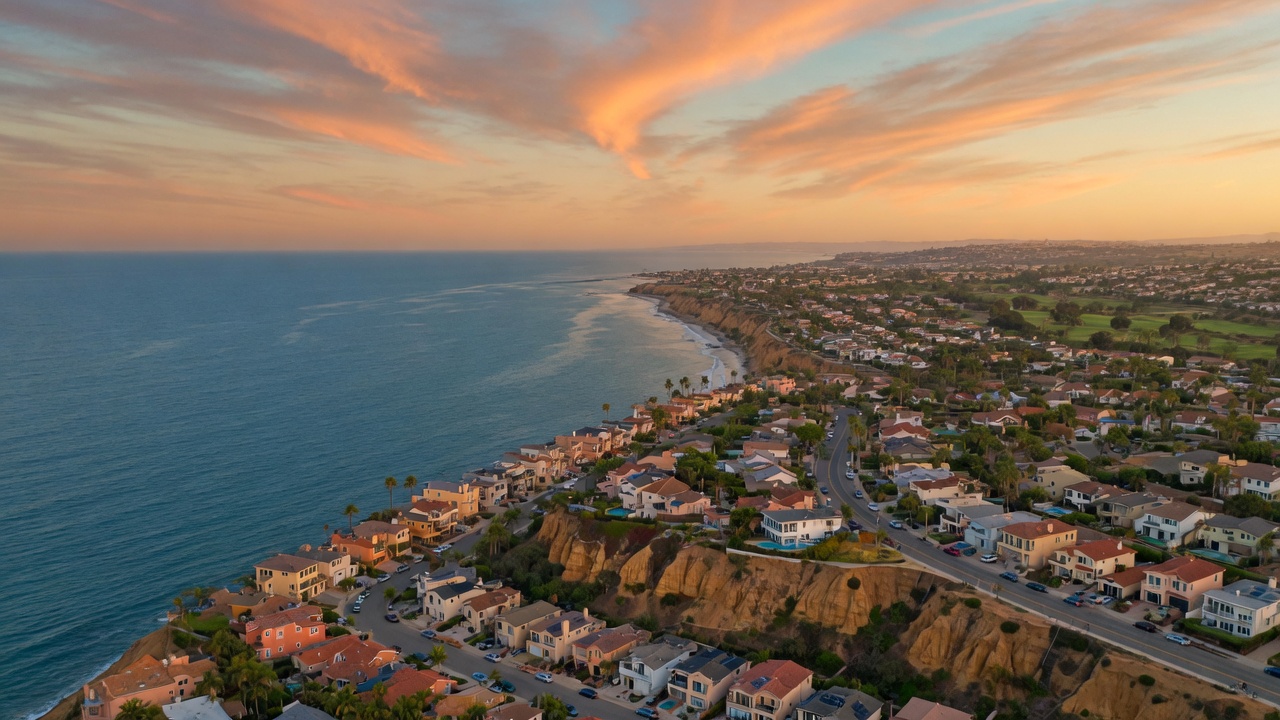
July always brings a shift in San Diego. The summer selling season is in full swing, new school-year timelines are pressing on family decisions, and this year we have something extra: three significant California housing laws that just took effect on July 1. Combined with a Fed rate decision at the end of the month, rising inventory, and a market that continues to normalize, this is a month where smart decisions matter more than ever.
If you are buying, selling, or investing in San Diego right now, here is what the data says, what the new rules change, and where I see the opportunities. All of it filtered through 18+ years of working this market as an agent, investor, and military spouse who has navigated more than a few inflection points firsthand.
New California Housing Laws: What Changed on July 1
Three significant pieces of legislation took effect at the start of this month, and each one affects San Diego buyers, sellers, or investors differently:
- SB 79 — Transit-Oriented Development Streamlining. This law allows taller, denser residential development near major transit corridors with reduced local opposition. If you own property near a trolley station, bus rapid transit route, or major transit hub, the development potential of that land may have just increased. For buyers, it means more multi-family supply is coming to neighborhoods like Mission Valley, North Park, and along the Blue and Orange trolley lines. More supply near transit is a long-term positive for affordability.
- Measure A — San Diego County Infrastructure and Housing Measure. This county-wide measure is funding infrastructure improvements and affordable housing production across San Diego. For sellers, the improved infrastructure can boost property values over time. For buyers, the affordable housing pipeline it supports will add options at price points the market desperately needs.
- Zone 0 Wildfire Requirements. New statewide wildfire zone requirements now apply to properties in and adjacent to very high fire hazard severity zones. If you are buying or selling a home in areas like Alpine, Jamul, Julian, or parts of unincorporated San Diego County near open space, the inspection and defensible space requirements have changed. This affects insurance costs, timelines, and what buyers need to know before closing.
I wrote a deeper breakdown of each law in our full California housing laws guide, but the short version: these laws are designed to increase housing supply and protect communities. If you want to understand how they affect your specific situation, that is exactly the kind of conversation I am here for.
Where Prices Stand at Mid-Year
The county-wide median sale price for detached homes in San Diego is hovering in the $925,000 to $950,000 range heading into July. Year-over-year appreciation has settled into a moderate 2% to 4% band — healthy, sustainable, and a world away from the double-digit gains of 2021 and 2022.
Condos and townhomes are telling a different story. The median attached-home price sits around $680,000, with values in some complexes running 10% to 15% below their 2022 peaks. Rising HOA dues, new California inspection requirements, and insurance cost pressures are all weighing on this segment. For investors, this creates potential opportunities — but the numbers need to pencil on today's rents, not on a projection of where rents might go.
Within the city of San Diego, the median sale price across all property types is approximately $954,000, which reflects a modest 3% year-over-year decline when condos and smaller units are included. Detached single-family homes in desirable neighborhoods are holding or gaining. The takeaway: San Diego is not one market. It is dozens of micro-markets, and the experience varies dramatically depending on neighborhood, price point, and property type.
Inventory: Still the Defining Story of 2026
Active listings across San Diego County have climbed to approximately 6,400 to 6,800 homes, representing roughly 3.2 months of supply. That is the highest inventory level since 2020 and a significant improvement for buyers who spent the last several years competing for a handful of options.
But here is the nuance that matters: new listings entering the market within the city of San Diego are down approximately 19.5% year over year. Existing homes are sitting longer, but fewer new sellers are listing. The result is a market that looks active on the surface — buyers see more choices when they search — but the freshest, most well-priced homes still move quickly, especially in coastal and family-friendly neighborhoods.
For buyers, this is the most leverage you have had in years. You can tour multiple homes, negotiate on price and contingencies, and take the time to make a thoughtful decision without the pressure of 48-hour windows. For sellers, the message is clear: your home needs to be priced right from day one. The data from the first two weeks on market still tells you more than anything else. If you are not seeing strong activity in that window, the price needs adjusting.
Mortgage Rates and the Fed: What July Could Change
The 30-year fixed mortgage rate has settled into the 6.30% to 6.45% range heading into July. The Federal Reserve held the federal funds rate steady at 3.50% to 3.75% at its June meeting, and the next FOMC decision is scheduled for July 28-29. Market expectations point to roughly a 74% probability of no change at that meeting, but the language around future cuts will matter enormously for mortgage rate direction in the fall.
Here is the practical math. A buyer purchasing a $950,000 home with 20% down at 6.40% is looking at a monthly principal-and-interest payment of approximately $4,730. If rates drop to 5.75% by year-end — which some forecasts suggest is possible if inflation continues cooling — that same payment drops to roughly $4,440. That is a difference of nearly $290 per month, or $3,500 per year. For military buyers using VA loans, which often carry slightly lower rates and require zero down payment, the monthly dynamics are meaningfully different. If you are a service member or veteran wondering about timing, the combination of growing inventory and favorable VA loan terms creates a window worth exploring on our Military & Veterans page.
The affordability picture remains challenging. Only about 11% of San Diego households can afford a median-priced home. That number has been shrinking for years, and it is the primary reason demand has moderated even as employment and population remain strong. The market is not soft — it is constrained by what people can actually pay.
Days on Market and Negotiation Dynamics
Median days on market across the county has stretched to approximately 28 to 37 days, depending on neighborhood and price tier. That is up from the low-to-mid teens during peak-frenzy periods and a meaningful shift for sellers who remember 2021.
The sale-to-list price ratio sits at roughly 98% to 99% county-wide. Homes are selling close to asking price, but the days of paying 5% to 10% above list to win a bidding war are behind us — at least for most neighborhoods. Coastal markets like Del Mar, Carlsbad, and Encinitas still see stronger competition, while some inland and southern submarkets are experiencing more price adjustments.
In my experience, the sellers who succeed right now are the ones who treat preparation as non-negotiable. Staging, professional photography, minor repairs, deep cleaning, and a strategic marketing plan are not extras — they are the cost of competing in a market with 6,400+ active listings. My Summer Selling Guide walks through the full preparation and pricing strategy step by step.
The New Construction Pipeline: What Is Actually Being Built
San Diego is in the middle of a construction cycle that will reshape housing supply over the next several years. From my perspective — someone with a background in commercial contracting — I watch these projects not just as an agent but as someone who understands what new construction means for build quality, neighborhood dynamics, and long-term value.
Here is what is actively under construction or recently broke ground:
- Riverwalk San Diego (Mission Valley) — Hines and partners kicked off the first phase of this 200-acre mixed-use village in late 2025, with over 700 new homes planned. The first affordable housing component, The Becker, is already under construction. This is one of the largest residential developments in San Diego's recent history and will fundamentally change what Mission Valley offers as a neighborhood.
- Bancroft Lofts (North Park) — CEDARst broke ground in late 2025 on this $106-million, 218-unit multifamily community. North Park continues to attract investment, and this project will add significant rental supply in one of San Diego's most walkable urban neighborhoods.
- Midway Rising (Midway District) — This nearly $4 billion project with over 4,200 housing units and a new arena is still in planning stages, with construction anticipated to begin as early as late 2026. When it moves forward, it will transform a significant portion of the Midway District.
- ADU Activity Across the County — Streamlined permitting under the 2025 Land Development Code amendments continues to unlock accessory dwelling unit potential. Some properties are now eligible for up to eight ADUs. For homeowners sitting on extra space, this is a real path to both added housing supply and investment income.
New inventory entering the market at various price points creates both competition for existing homes and opportunity for buyers who want modern construction. The key is evaluating how a new development affects values in the surrounding neighborhood, and that analysis is different for every property.
What This Means for Buyers Right Now
Summer in San Diego has always been peak season, and this year buyers have real advantages:
- More homes to choose from — inventory at 3.2 months of supply gives you options without the frenzy.
- Room to negotiate — inspection contingencies carry weight again. Sellers are offering concessions on closing costs, repairs, and rate buydowns in many price ranges.
- Time to be strategic — you can compare neighborhoods, evaluate school districts, weigh commute times, and make a decision based on fit rather than fear of losing out.
- New laws creating opportunity — the transit-oriented development provisions in SB 79 and the ADU expansion may open up options that did not exist six months ago.
But San Diego's fundamentals — limited land, strong employment, military presence, and lifestyle appeal — continue to support long-term values. The homes priced correctly are still selling, and the buyers who are pre-approved, organized, and working with an agent who knows the market are the ones winning those homes. Our Buying Guide covers everything from pre-approval to closing day.
What This Means for Sellers Right Now
Selling in a market with growing inventory and more discerning buyers requires more strategy, not less. The motivated buyers in this market are pre-approved and ready to act — they are not browsing, they are buying. But they are also comparing your home against dozens of alternatives.
The sellers who succeed right now are the ones who:
- Price accurately from day one. Overpricing in a market with 6,400+ active listings is the fastest path to becoming stale inventory.
- Invest in preparation. The properties that sell fastest and closest to asking price are the ones that show like they are ready to be lived in — not the ones that need a buyer with imagination.
- Understand the buyer pool. First-time buyers, military families on PCS timelines, investors running numbers, and move-up families all have different motivations and constraints. Pricing and marketing strategy should reflect who is most likely to buy your home.
- Market beyond the MLS. A yard sign and a listing are the minimum. Social media, agent-to-agent outreach, and targeted digital marketing make the difference in a crowded field.
My Selling Guide covers the full preparation and marketing process. If you are considering selling this summer, the window is real — but it requires a plan.
A Note for Investors
San Diego dropped out of the top 10 most expensive rental markets nationally in 2026, falling to 12th place. That shift, combined with new multifamily supply entering Mission Valley, North Park, and other neighborhoods, means rent growth is moderating. For buy-and-hold investors, the underwriting needs to work on today's numbers — not on a hope that rents spike next year.
At the same time, the expanded ADU provisions and the new transit-oriented development streamlining under SB 79 create long-term opportunities for investors willing to think creatively about land use. If you are evaluating your next investment deal, having someone who understands both the market and the construction side of the equation makes a meaningful difference. Our Investment Pitfalls guide covers the most common mistakes I see investors make.
Looking Ahead: The July 28-29 Fed Meeting
All eyes are on the FOMC meeting at the end of this month. While the consensus expectation is no change, the Fed's language about the path forward will shape mortgage rate expectations through the fall. If the statement signals that cuts are coming — even later in the year — mortgage rates could ease, which would unlock additional buyer demand and potentially tighten inventory in the most desirable neighborhoods.
For buyers, that creates a strategic consideration: do you lock a rate now at 6.40% and refinance later, or do you wait and risk both rate changes and increased competition if other buyers rush in? For sellers, a rate drop in the fall could bring more buyers into the market, which affects your timing and pricing strategy today.
Where are you headed next? The market is shifting in ways that create real opportunity for people who understand the data and have a clear plan. Whether you are buying your first home, selling a property, evaluating an investment, or navigating a military relocation, I would love to help you think through what this market means for your specific situation.
What's important to you? Let's have that conversation. No pressure, no assumptions — just honest data and a strategy built around your goals.

Hanna Bederson
Real Estate Agent, Investor & Military Spouse · San Diego · DRE #02096870
What is your biggest question about the market right now?
Let's Talk StrategyIn service, Hanna