
Sell the Family Home or Build an ADU for Rental Income? A San Diego Owner's Guide
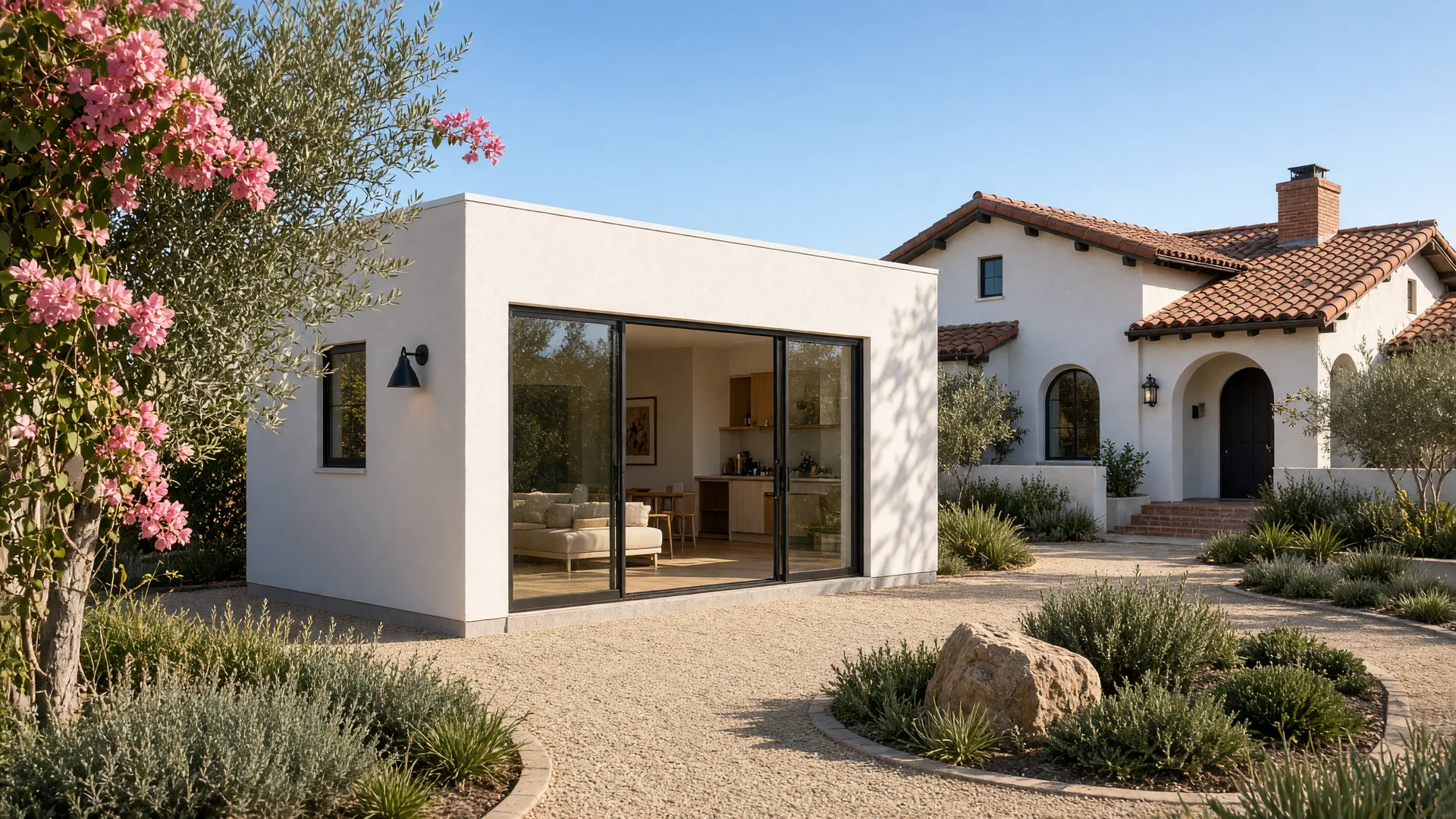
The family home holds the life you built, and then one day something shifts. The kids grow up and move out, leaving more house than you need. You want to keep living in your neighborhood and in your own home longer as you age. An aging parent moves in, or an adult child comes back home, and the layout that always worked suddenly doesn't. Sometimes the shift is a layoff, a career change, a marriage or relationship change, or simply the quiet realization that the house no longer fits the way life looks now. However it shows up, you find yourself looking at the family home differently, and the thought crosses your mind: should we sell it and move on, or stay, renovate, and build an accessory dwelling unit to generate real monthly income? It's one of the biggest financial crossroads a San Diego homeowner can face, and there's no one right answer. But there is a right way to think about it. This guide walks through the financing, the permitting reality, the cost of capital, and what the 2027 housing market actually looks like, so you can decide with your eyes open.
In my years as a San Diego agent, investor, and military spouse, I have sat at more kitchen tables than I can count with families at exactly this fork in the road. Some left with a for-sale sign in the front yard. Others broke ground on a casita out back. Both walked away happy, because both made the call on real numbers, not on a hunch. This guide gives you the framework I use with my own clients, so you can see your situation clearly.
The Case for Selling: The Honest Appeal of the Clean Exit
Let's start with the honest appeal of the clean exit. Selling converts your equity into cash you can put somewhere else: a smaller home, a more manageable property, investments, or simply peace of mind. You avoid the construction dust, the contractor coordination, the city inspections, and the 2 a.m. tenant phone call. You also avoid carrying a big loan payment before a single dollar of rent arrives.
San Diego home values have rewarded families who held through the ups and downs, and a sale today can turn years of equity into real liquidity. That cash can sit in a fund you control, buy a home that fits your life right now, or fund retirement. There is genuine freedom in walking away without a construction project attached to your family home.
For many families, especially those who don't want to be landlords, selling is not the fallback option, it's the right answer. The key is to know what the home is actually worth today and what your options are, before you assume one path is better.
The Case for the ADU Path: Keep the Home, Create the Income
The other side of the coin is powerful too. Add an ADU, and the family keeps the home you built your life in, while the unit produces income that can cover the mortgage, a renovation loan, or your retirement. San Diego rents are among the strongest in the country, and an ADU can rent for real money month after month.
Beyond income, there's flexibility: a unit for aging parents, a place for a returning kid, or a short-term option if your plans change. And under California's property tax system, the main home keeps its Proposition 13 base while only the new construction gets assessed at today's value. For the right family, the ADU path builds lasting wealth instead of cashing it out.
Let's be clear about what you're signing up for. You aren't buying a rental property; you're building one. In California, ADU build costs run roughly $75,000 for a garage conversion to $350,000 or more for a large detached unit. That is a serious project, and the financing decision below matters as much as the construction decision. But for families with the room and the patience, the payoff is a home that works in two directions at once: a place for your family, and an income-producing asset on the same lot.
Financing the Build in California: Your Options and the One Big Caution
Almost no one pays cash for an ADU, so the financing decision matters as much as the construction decision. Here is the landscape in California today:
- Home equity line of credit (HELOC). Flexible, with a variable rate, and a strong fit when you want to draw money as you build. You pay only on what you use, which keeps the early months more affordable.
- Fixed home equity loan. Currently running roughly 8% to 10.5% in California. Payments are predictable, but they start immediately, before the ADU earns a dime.
- Construction-to-permanent loan. Funds the build in stages, then converts into a permanent mortgage. Expect roughly 7.5% to 9% during the construction phase.
- Renovation loans. Programs like FHA 203(k) or Fannie Mae HomeStyle can roll your mortgage and renovation costs into one loan for qualifying projects.
Now the big caution in today's market: a cash-out refinance would replace your existing low-rate first mortgage with today's much higher rate, which can quietly cost you far more than the ADU earns. That's why many smart owners deliberately use a second-position loan, like a HELOC or a home equity loan, to protect the low rate locked into their first mortgage. That existing mortgage rate is often the cheapest money you will ever borrow, so protecting it matters.
Also note where grants stand. The state's CalHFA ADU Grant has been closed since December 2023, with no new funding announced. But San Diego homeowners may qualify for the San Diego Housing Commission's ADU Finance Program, which offers construction loans up to $200,000 plus free technical help through the process. Check that one before you commit to a lender, and ask any lender you talk to whether your project qualifies.
The Permitting Reality: Streamlined on Paper, Patient in Practice
The state has genuinely streamlined ADUs. Compliant projects must get ministerial approval within 60 days, and since January 2026, a new law, SB 543, even deems an ADU approved if the city misses that window, while shortening the completeness review. San Diego also offers preapproved standard plans that target a 30-day review. That is real progress, and it matters.
Now the honest news. A typical detached ADU in San Diego still runs 10 to 12 months from first consultation to move-in ready, and coastal parcels take longer. Here is where that year goes:
- Design and drawings: 10 to 16 weeks.
- Permitting and plan review: 60 to 90 days.
- Construction: 3 to 5 months.
And permit fees alone run roughly $6,500 to $21,000 for a detached ADU, before you pour a single yard of concrete. The system was built to encourage housing, not to make it easy to flip units into rentals quickly. So plan for a year of your life, carry the costs during it, and don't expect a fast landlord-style turnaround.
The Cost of Capital: The Math Most People Skip
Before you break ground, do the honest cost-of-capital math. What will your borrowed money actually cost you per month during the build, when the ADU earns nothing yet? What will the payment be once it's done, and how much rent do you need to break even, then to profit?
The scale of the number may surprise you. Borrow $200,000 at an 8% rate and the interest alone runs about $1,333 a month, before principal and fees, and before a tenant signs a lease. At today's construction-loan and home-equity rates, that carrying cost is real, and it lands while your backyard is still a construction site.
Then run the other column. What would your equity earn invested elsewhere, and what would you net after a sale, once commissions and closing costs are paid? Compare the two honestly. In today's rate environment, where a construction loan or a home equity loan costs 8% or more, your ADU rent needs to clear that bar, or the investment flips from wealth building to a lifestyle choice. A lifestyle choice is perfectly fine, but call it what it is.
What the 2027 Housing Wave Means for Your ADU
Timing matters, and 2027 has a specific story. San Diego is in the middle of a construction wave: roughly 5,500 multifamily units were completed in 2025, about 6,000 are delivering in 2026, and thousands more are scheduled through 2027, including giant projects like Midway Rising's 4,254 units. Vacancy has already ticked up to the highest level this century, and it is concentrated in newer luxury units, which means a brand-new ADU is competing head to head with shiny new apartments.
Here's the balance. The USC Lusk forecast still expects Southern California rents to rise about 2.5% a year through 2027, because the region's structural housing shortage outpaces even this supply wave, and new construction is expected to slow after it.
Net for you: rent growth is real but modest, not explosive. Price your ADU competitively at first, expect a slightly longer lease-up than the boom years, and bank on the long-term income, not a fast fortune. The ADU that rents within a few weeks at a fair market rate beats the one that sits empty for two months chasing a premium.
The Decision Framework: Five Questions Before You Choose
Ask yourself these five questions, and write down your answer to each one:
- How long can I carry the build costs before rent arrives, and does my budget survive a delay? Builds run over, so give yourself real cushion.
- Do I actually want to be a landlord, or would a property manager's fee be worth it, and does my cash flow survive that fee?
- What is my exit if the ADU doesn't rent as planned? Can I carry it, or sell the property later, and at what price?
- How does each path change the family's life? School years, gardens, privacy, and your own retirement timeline all shift when a construction project moves into the backyard.
- What does the low-rate math say? Is protecting your first mortgage worth more than the ADU income, with mortgage rates where they are today?
Then write the two columns: sale proceeds invested, versus kept home plus ADU income. Be honest about which one you'd still choose if the numbers came out equal. Usually, the right answer is the one that fits your energy, your timeline, and your family, not just your spreadsheet.
The Bottom Line: Sell With a Clean Slate, or Build With a Plan
Few decisions carry as much weight as what you do with the family home. Sell, and you walk away with liquidity and a clean slate. Build, and you create income that can carry the house for decades. Both can be right, and both deserve real numbers before you commit.
If you're weighing this for your own home, I'd love to help you run the scenarios: what the home is worth today, what the ADU could realistically rent for, and which path actually works for your family. Reach out anytime at (619) 630-9618 or through the contact page. Wherever you land, the goal is the same: a decision you can look back on with confidence.

Hanna Bederson
Real Estate Agent, Investor & Military Spouse · San Diego · DRE #02096870
Weighing this decision for your own home?
Contact Hanna