
Self-Managing Your Rental? A Landlord's Winter Prep Checklist
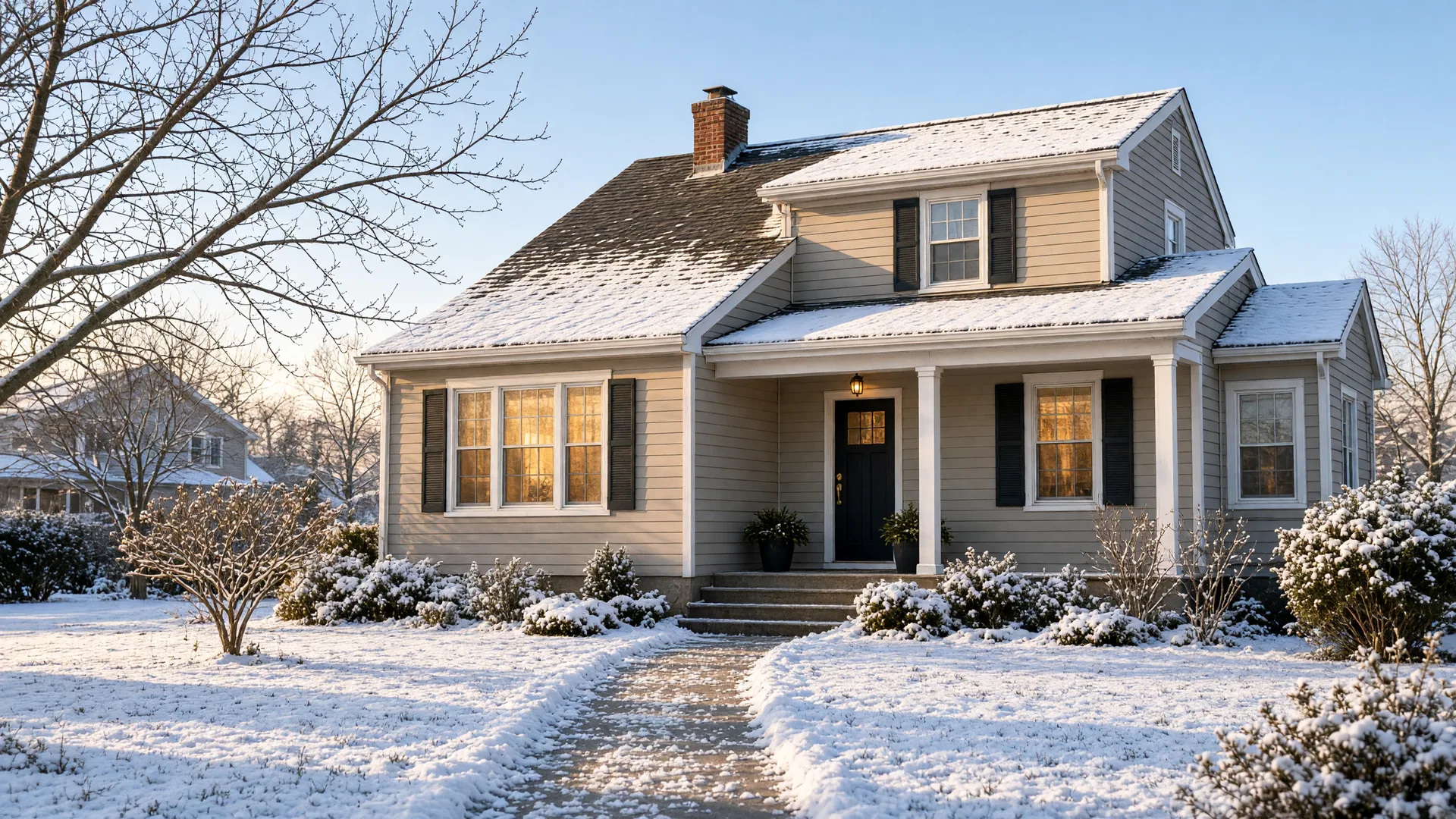
When you self-manage your rental, you are the whole team. Owner, maintenance, leasing, bookkeeping, and customer service all report to you, and there is no after-hours desk to hand the phone to. Winter is the season that punishes inattention hardest. But here is the part most landlords forget: with a solid plan, it is entirely manageable. A few focused weekends before the cold arrives can save you the 2 a.m. call, the frozen pipe, and the repair bills you will be quoting all spring.
This checklist is for owners and small landlords who manage their own properties, whether your rental sits in a cold-winter state or a mild one. It is organized by what actually matters when temperatures drop, and it stays useful where winter rarely freezes. A house with a leaky roof or an ignored water heater does not care much about the temperature. It cares about neglect.
Why Winter Prep Matters for a Rental
Winter is hard on houses and hard on patience. Frozen and burst pipes are the classic catastrophe: a pipe can freeze, expand, and split in a single cold night, and the water that follows can soak the home before anyone notices. Heating failures are the other emergency caller: a furnace that dies on the coldest night becomes a frantic tenant, a rushed contractor, and a bill with an overtime premium. Ice and snow turn an ordinary walkway into a liability, especially if a guest or a delivery driver takes a fall. Tenants simply expect the home to be warm, safe, and habitable; that expectation is the rule, not a favor.
A little prevention beats a 2 a.m. emergency call every time. Most winter disasters share a single trait: they were preventable. The owners who come through winter smoothly are rarely the lucky ones. They are the prepared ones.
The Seasonal Maintenance Checklist
Work through the sections that apply to your climate. In cold states, these tasks keep the heat on and the water flowing. In mild ones, most still matter: the first real cold snap finds the same weak spots.
Heating: Keep the Warmth Flowing
- Schedule a furnace or HVAC service before the cold arrives. A technician can catch a failing blower or a cracked heat exchanger while it is still a cheap fix.
- Replace the filters. A clean filter keeps airflow up and energy bills down.
- Test the thermostat early. If the unit has a pilot light, know how to relight it, or leave tenants simple written instructions with clear signs for when to call a professional instead.
- Consider a programmable or smart thermostat. Even an inexpensive one keeps the heat at a safe minimum overnight, which is exactly what protects the pipes when nobody is home.
Pipes and Water: Stop the Freeze Before It Starts
- Shut off and drain exterior spigots, and disconnect garden hoses. A hose left attached can freeze back into the wall and split the pipe behind the spigot.
- Insulate exposed pipes in crawlspaces, garages, attics, and under sinks, anywhere cold air can reach them.
- Know where the main shutoff valve is, and make sure you, and ideally your tenant, can find it in the dark. When a pipe does let go, every minute before the water stops matters.
- In freezing weather, ask tenants to keep the heat around 55 degrees minimum and to let faucets drip in extreme cold. Moving water is far less likely to freeze.
Roof, Gutters, and Drainage
- Clear gutters and downspouts before the first freeze, and once more mid-winter if leaves keep falling.
- Look for loose shingles, cracked flashing, or ice-dam buildup along the eaves.
- Trim branches that overhang the roof. A heavy, snow-loaded branch is a roof repair waiting to happen.
- Make sure snow melt and rain drain away from the foundation, never against it.
California owners prepping for a wet season can dig deeper in our rainy-season and El Niño homeowner tips. Same logic applies anywhere snow turns to ice and back again.
Doors, Windows, and Insulation
- Replace weatherstripping and door sweeps where you can see daylight or feel a draft.
- Caulk gaps around window and door frames.
- Check attic insulation, and add more if it has settled or run thin.
- For older windows, window film or insulated curtains are a low-cost win, and this is where landlord and tenant tasks split: you handle the permanent fixes, and tenants hang the film and curtains. Put the split in writing at move-in.
Safety: Detectors, Extinguishers, and Flues
- Test smoke and carbon monoxide detectors, replace the batteries, and replace any unit past its stamped service life.
- Check fire extinguishers in the unit: charged, accessible, and not expired.
- If the home has a fireplace or furnace flue, confirm it is clear before the first fire of the season.
Outdoor and Liability: Ice, Snow, and Sightlines
- Agree on a snow and ice removal plan for walkways and steps before the first storm, not during it. State the expectation in the lease: you clear within a set window, or the tenant does, but someone does, and it happens on time.
- Keep a supply of salt or sand on the property, or agree where the tenant keeps their own.
- Store or cover outdoor furniture and seasonal decorations.
- Trim dead branches over walkways and the driveway.
- Make sure the house number is visible from the street. If someone needs to find the place in an emergency, every minute counts.
Plumbing and Water Heater
- Flush the water heater according to its age and the manufacturer's manual. Built-up sediment makes it work harder and shortens its life.
- Check visible connections for leaks, rust, or corrosion.
- Wrap the tank if the manufacturer and local codes approve it, and insulate the pipes that feed it.
- Know how old the unit is. If it is past its expected life, budget for a replacement now, on your schedule, instead of replacing it mid-winter as an emergency.
Systems Every Self-Managing Landlord Should Run Year-Round
The checklist above is seasonal. This list is the managing-yourself core that keeps self-management from feeling like a second job.
- A documented move-in inspection, with photos and both signatures. It protects you at move-out and gives you a baseline for normal wear. Do one at move-out too.
- A simple maintenance-request process. Tell tenants exactly how to report an issue and promise a response time: 24 hours for routine requests, immediately for emergencies. Then hit that number every time.
- A routine inspection cadence. Seasonal walkthroughs with proper written notice catch small problems, a dripping valve, a stained ceiling, a sagging gutter, before they become big ones.
- A pre-vetted list of local contractors. Plumber, electrician, HVAC, a general handyperson, and a snow service if you are in a cold state. Interview them now, when the only thing on fire is a little time. When the furnace dies at 7 p.m., you want names and numbers you already trust.
- A repair reserve fund. Emergencies are a when, not an if. Money set aside in a separate account keeps a bad month from becoming a bad year.
- Clear winter expectations for tenants, in writing. Minimum heat setting, when to report a leak, not overloading circuits with space heaters, and what counts as a plumbing emergency versus a routine call. Tenants cannot help protect the property if they do not know the rules.
That last point deserves a sentence of its own. Tenants want to do right by your property, but they only know what you tell them. One friendly message before the first freeze prevents most winter problems and most winter frustration. For the renter's side of that conversation, our complete guide to renting in San Diego has more, and the principle applies everywhere: clarity prevents calls.
Know the Rules Where Your Rental Sits
Landlord-tenant law is not national; it is state- and often city-specific. Security deposit limits and return timelines, notice before entry, and habitability standards all vary from place to place. Rent increase rules and rent control do too: California's AB 1482 is a well-known example, and many other states and cities have their own versions, some stronger and some lighter. Always check local rules before you act, and update your lease when they change. California landlords can start with our breakdown of the AB 1482 rent cap and what it means for property owners. A quick note: this article is general guidance, not legal advice. When a rule affects your money or your property, confirm it with your local authority or a qualified attorney.
You Can Do This
Self-management is doable, and people do it well every winter. The secret is honest systems: a calendar with the seasonal tasks, simple processes for inspections and repairs, and a reserve fund for surprises. Set those up once, and winter becomes just another season.
And if running a rental ever stops being worth the late-night calls, help is a phone call away. Hanna offers full-service property management and rentals across San Diego, from a family home in El Cajon to a newer home in Chula Vista, and the rentals page shows what the whole service looks like. Read that as a resource, not a pitch: there is no shame in handing the clipboard to a team that thrives on it.
Winter is coming either way, and the difference between a hard season and a calm one is almost always the work you do before it arrives. Start with one weekend, knock out the top of this checklist, and enjoy the quiet confidence of a rental that is ready.
Questions about your rental, your winter prep, or anything real estate related? Call or text Hanna at (619) 630-9618, or use the contact page and let's talk through what this winter looks like for you.

Hanna Bederson
Real Estate Agent, Investor & San Diego Homeowner · DRE #02096870
Managing your own rental this winter and want a second set of eyes?
Let's TalkOr call or text (619) 630-9618.